
Is yet another significant heritage building in Hull under threat of demolition? Our Victorian schoolhouse correspondent Angus Young reports.
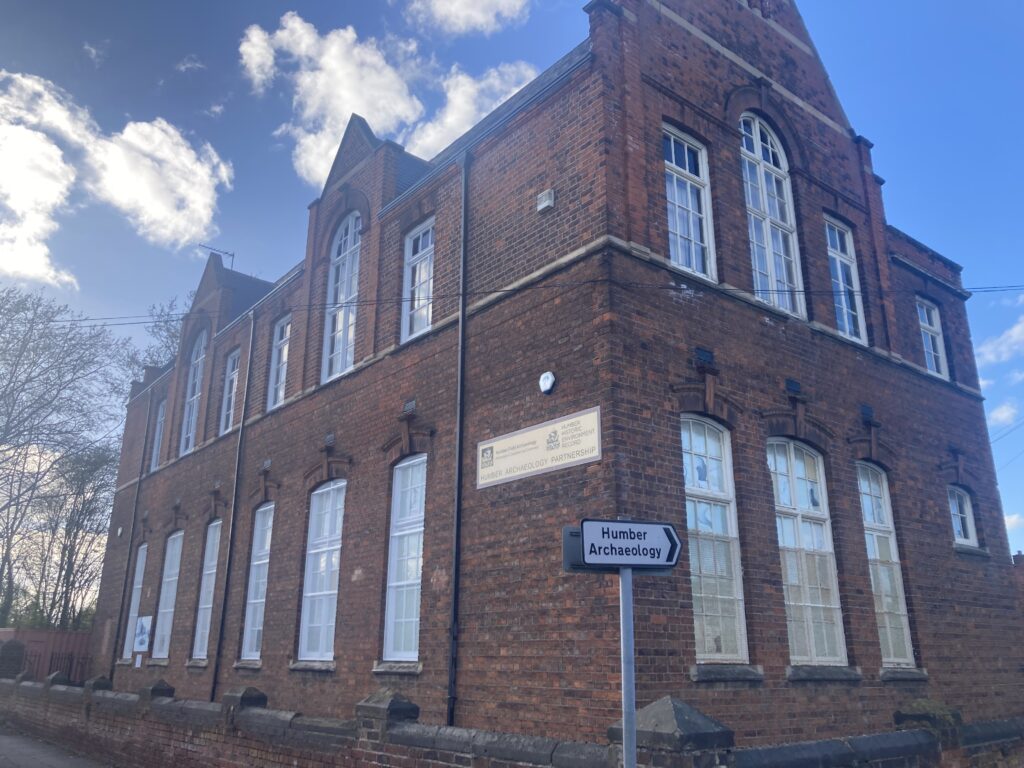
Opened in 1897 and standing at the junction with Fountain Road, the former Northumberland Avenue Board School is a reminder of the days when it was the focal point of a thriving residential area. Designed by local architect John Bilson, the sturdy red brick building initially welcomed 270 junior age boys, 270 girls and 273 infants. Seven years later an additional junior school annex was built and increased the total number of pupils to 1,100.
For half a century it served a large working-class population in Sculcoates living in a maze of terraced housing flanking Barmston Drain. The vast majority worked in the many surrounding heavy industries, including the numerous mills operating along the nearby River Hull.
After the Second World War the school’s use changed when it started to cater for children with learning difficulties while retaining a nursery for local pre-school youngsters. Later it came under the wing of Humberside County Council only to transfer to Hull City Council in 1996 when the county authority was abolished. By then, the back-to-back terraced housing had long vanished along with much of the original heavy industry.
Today the old school building once again faces an uncertain future having been used as a base by the Humber Archaeological Partnership for the last three decades. The Partnership was set up jointly by the Hull and East Riding councils following the demise of Humberside but it is now being dissolved with the service being switched to be run in-house by the East Riding.
That means the building in Northumberland Avenue will soon be empty. As a recent city council report dryly noted: “The dissolution will release an asset for repurposing or disposal”
The most obvious option would be a takeover by the Rise Academy, which currently occupies the neighbouring 1904 annex – the first school building to be designed by the city council after it took over responsibility for education from the Hull School Board. An alternative idea could be a residential conversion in a similar style to that seen at the former Newland Primary School in Newland Avenue. Bringing back people to live in an area once very much a community of its own would be a nice idea.
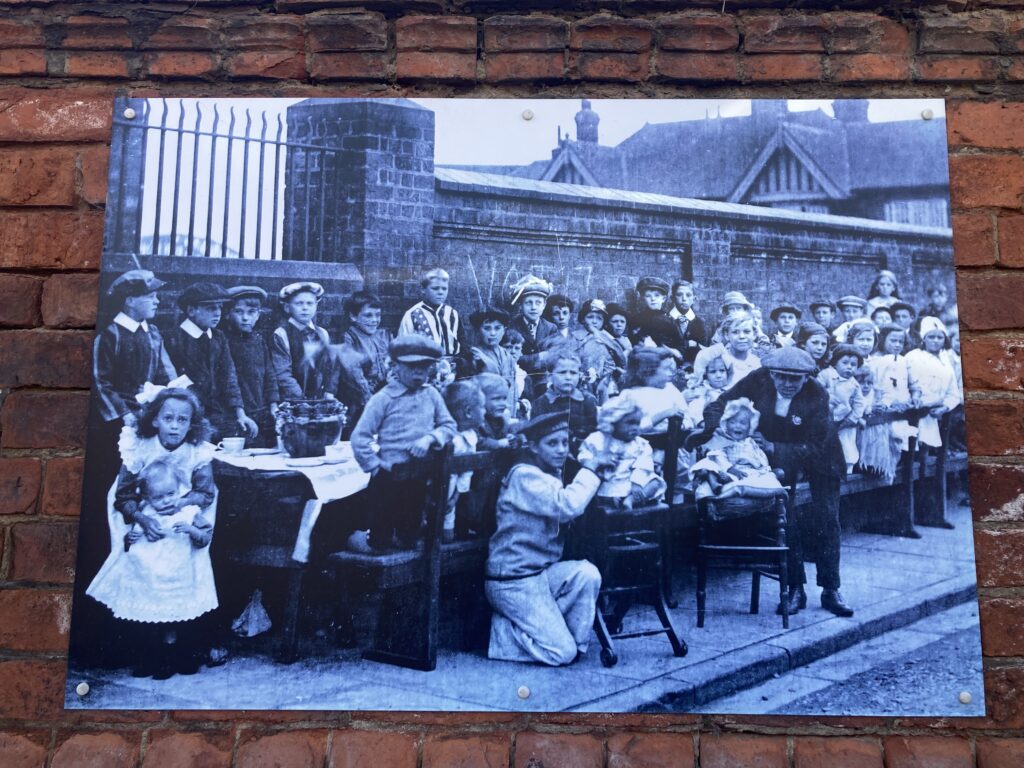
Whatever happens, the landmark is worth a look if you happen to enjoy the fast-disappearing splendour of late Victorian educational architecture. There are also a number of fascinating photographs displayed on the old school walls showing how the immediate neighbourhood looked back in the day.
One features an atmospheric image of a Peace Party held in Northumberland Avenue to mark the end of the First World War in 1918. It includes a large group of mainly children gathered around some benches presumably brought out of the school to be used for the street party. Visible over the school wall is the roofline of the neighbouring Northumberland Court almshouses while you can also just see part of a railway bridge on the former Hull and Barnsley Railway Company line in the distance.
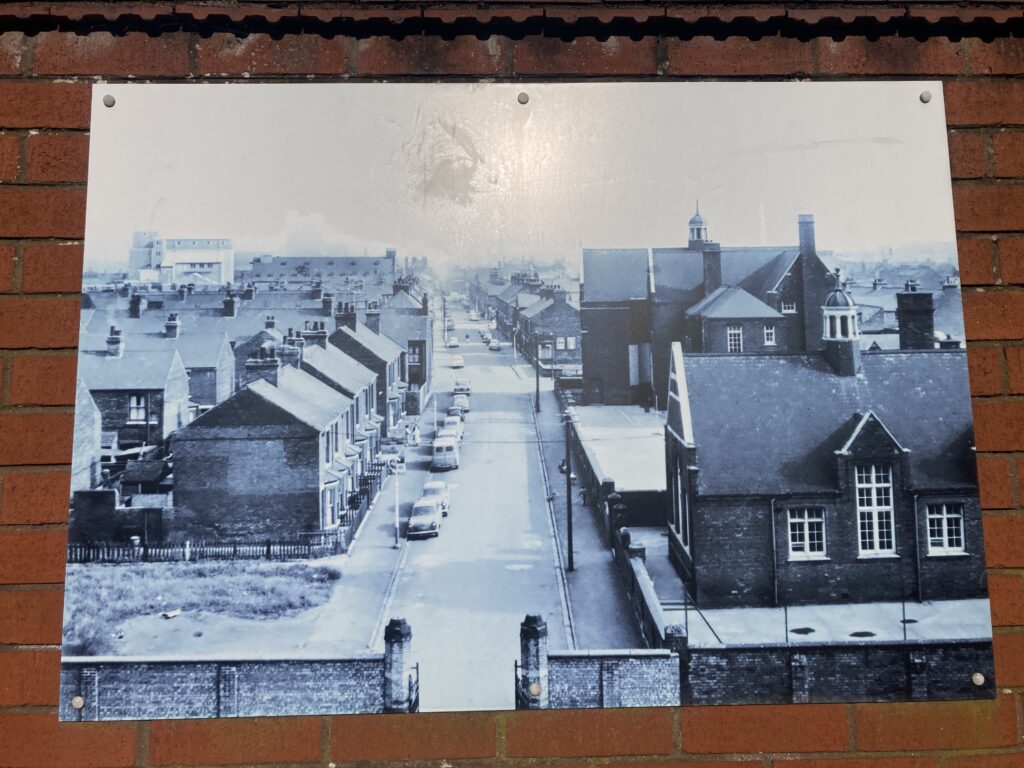
Another photograph displayed on the opposite side of the street was taken around 1966 from the almshouses looking south along Northumberland Avenue. It clearly shows some of the terraced housing which would later be acquired under compulsory purchase and demolished as well as a grassy area in the foreground where four houses were destroyed during a Second World War bombing raid.
If you get the chance, the almshouses complex is also worth a visit. A Grade II listed building, the almshouses and their distinctive clock tower were opened in 1887 and originally contained 101 bedsits. Laid out around an open courtyard with extensive landscape gardens, the greenery of the site was designed to provide some natural relief to the back-to-back housing and smoking industrial chimney stacks.
Today it features 56 modernised flats and is operated as a sheltered housing scheme by Hull United Charities.
Angus Young