
Before hitting the top of the charts, Stan and Paul once fancied their chances running the city. Our pop politician correspondent Angus Young digs deeper.
Voters in Hull go to the polls tomorrow, when one-third of the seats on the city council are up for grabs. This rather odd voting system was introduced in 1984 when it was decided to move away from holding all-out elections. The idea was for a third of the council’s 60 seats to be subject to election every year during a typical four-year municipal cycle. In doing so, it created a so-called ‘fallow year’ when no city council elections took place. It also created space in the local political diary for the once-every-four-years Humberside County Council election to be staged.
The 1984 Hull council election was also notable for the presence of two unlikely candidates hoping to secure enough public support to become elected councillors. They both stood as members of the hitherto unknown Put Hull Back in Yorkshire Party, challenging the more established political norm in the city perhaps with one eye on the public’s lack of enthusiasm for the concept of a Humberside authority. Their names? Step forward Paul Heaton and Stan Cullimore.
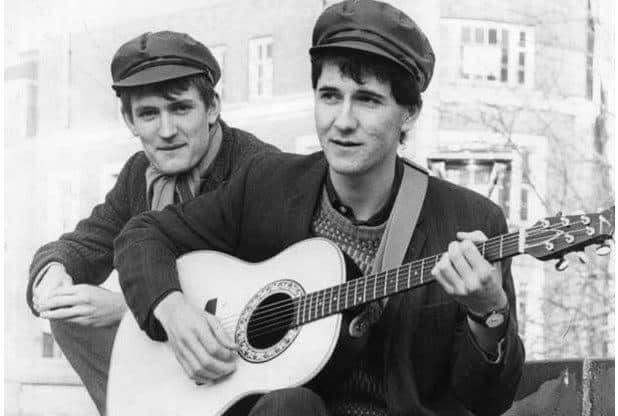
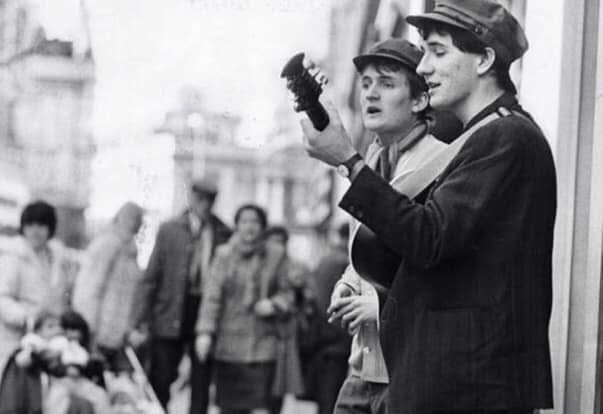
At the time, the duo were barely known outside a tiny circle of struggling young musicians in Hull striving to make ends meet while dreaming of making it big one day. Most Saturdays you could find them busking in Whitefriargate. Five months before the Housemartins played their first gig as a four-piece at Hull University, Paul and Stan plunged themselves into the world of local politics by standing as election candidates.
Previewing the contest, the Hull Daily Mail’s municipal correspondent Christopher Hansworth appears to have been blissfully unaware of who they were or how serious they might have been about embarking on a political career. Weighing up what was likely to be a closely-fought contest between the main parties in the city’s Beverley ward, he wrote: “Voting could be thrown off balance though, with the Put Hull Back in Yorkshire candidate taking some of the votes”.
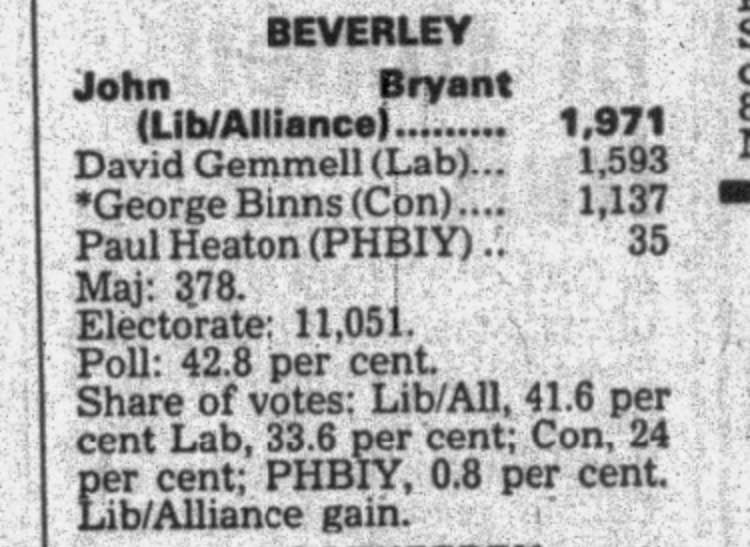
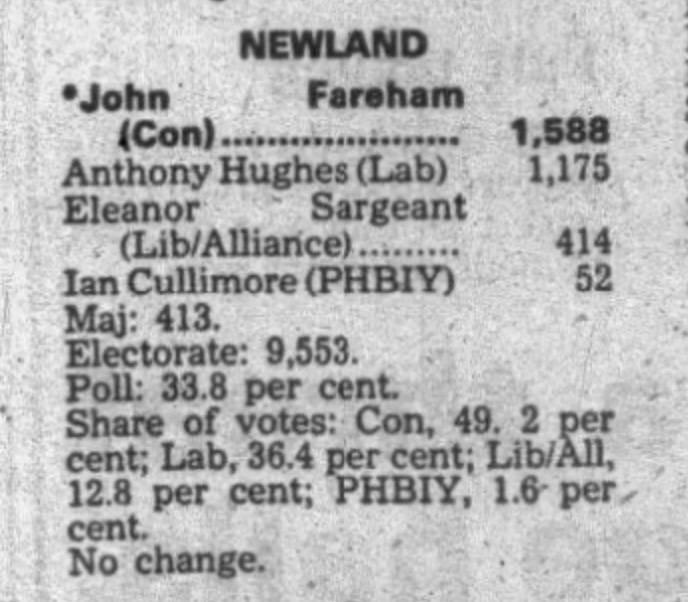
Paul was the PHBIY candidate in question. In an accompanying ward-by-ward list of all those standing, he is described as “A 21-year-old member of the Lambert Street Residents’ Association.” Meanwhile, Stan was standing in the neighbouring Newland ward under his real Christian name of Ian. His profile simply said: “Lives in Grafton Street, Newland Avenue.”
Polling day duly came and voters decided to give the music world a massive boost by keeping Paul and Stan as far away from the Guildhall as possible. In Beverley ward, Paul amassed a grand total of 35 votes. Contrary to Hansford’s prediction, his support didn’t really make much difference to the overall result as winning Liberal SDP Alliance candidate John Bryant romped home with a clear 378-vote majority after securing 1,971 votes.
Happily, the election results meant any ambitions of a life spent chewing over planning applications or responding to residents’ concerns over pot holes had to be abandoned. Instead, they threw themselves into becoming The Fourth Best Band in Hull. The rest, as they say, is history.
Stan fared marginally better by persuading 52 voters in Newland ward to put an X next to his name on the ballot paper. Most were almost certainly his musical mates living nearby. However, he still finished a very distant fourth in a four-horse race won by Conservative John Fareham, whose council career would ultimately stretch until 2022.
When the dust had settled and the numbers were crunched, it was revealed that Paul and Stan’s party won a whopping 0.1 per cent share of the overall vote. As political earthquakes go, it was barely a ripple on the pond and their short-lived party quickly vanished.