

A certain bi-valve mollusc is making its way back into local life, thanks to a new marine scheme reports our estuarine delicacy correspondent Angus Young.
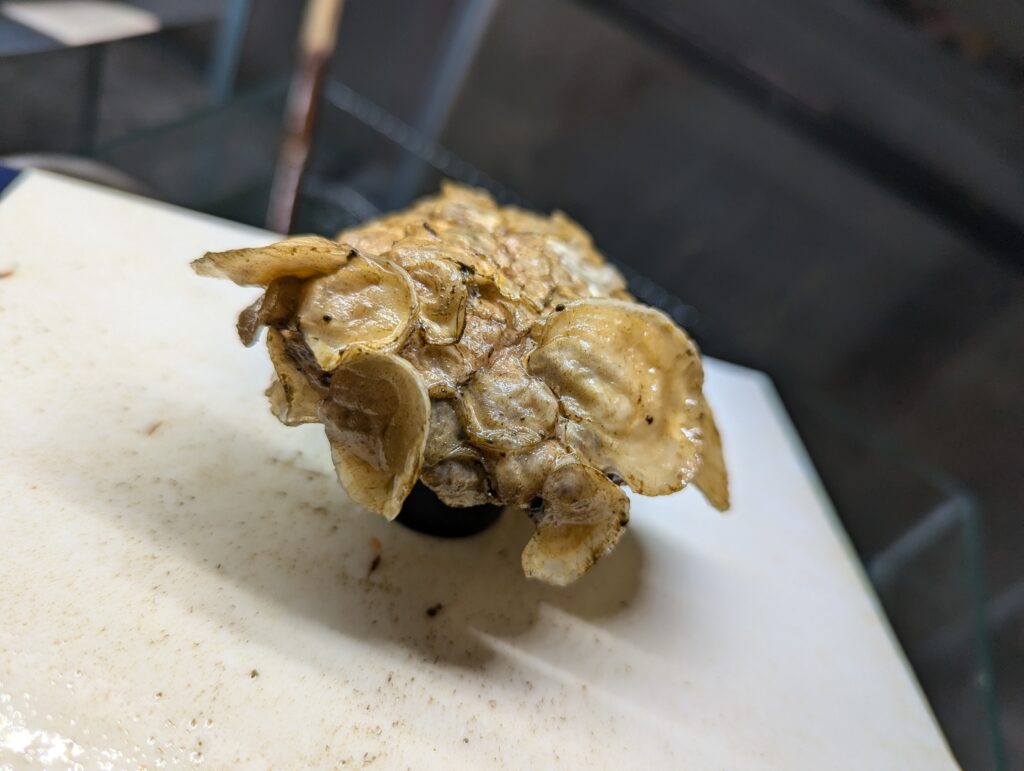
Two years ago archaeologists carrying out excavation work ahead of a new wildlife habitat being created on the Humber made an extraordinary discovery. At a remote site near the estuary between Welwick and Skeffling they came across unusually large quantities of misshapen oyster shells. The clumps of shells suggested they had been physically removed from nearby naturally-growing reefs rather than grown on ropes which was a recognised practice at the time they were dated from. As such, experts concluded they had stumbled across a Roman oyster processing centre close to what they believed was an early Roman settlement.
It’s thought oysters were an unexploited resource immediately prior to the Roman invasion of Britain in AD43. By AD70 the Romans had crossed the Humber and it’s likely they quickly made the most of the freely-available shellfish on their new doorstep. Legend has it that the oyster reefs in the estuary were once so large that it was possible to walk across the Humber using them as a pathway.
As well as the newly-discovered site in Holderness, the Romans are known to have established a large settlement at what is now Brough but was then known as Petuaria. Fresh oysters from reefs along the Humber would have been part of the staple diet for its inhabitants and there’s still a site called Oyster Ness near Welton Clough.
Oysters remained a ready source of food once the Roman era was over and by the Medieval period written records were being kept on the ownership of oyster beds and oyster fishing rights. One reef was estimated to cover 300 acres of the Humber foreshore with most of it visible at low tide. The early 19th century saw the development of commercial oyster fishing with holding pits being dug on the shore to store catches before being taken to market.
Mass exploitation of oyster reefs and beds followed and prices plunged. Soon oysters became a cheap food for people across the country not just close to the coast. Victorian newspapers show there were an abundance of oyster merchants, shops and market stalls In Hull while the fashionable Cafe Royal in Saville Street became popular for its Oyster Suppers. There was even an oyster fishery close to where Albert Dock is today.
Eventually, over-fishing depleted stocks to such an extent that efforts were made to breed foreign species to replace dwindling supplies of British oysters. Pollution and disease finally decimated the reefs to such an extent they became too isolated to naturally recover.
Today you can still enjoy dishes of either three, six or 12 oysters at the Humber Fish Company restaurant in Humber Street. They’re served chilled with shallot vinegar, wasabi, horseradish and lemon while the oysters themselves are from the Northumberland coast rather than the Humber. Local oysters are, however, making a comeback.
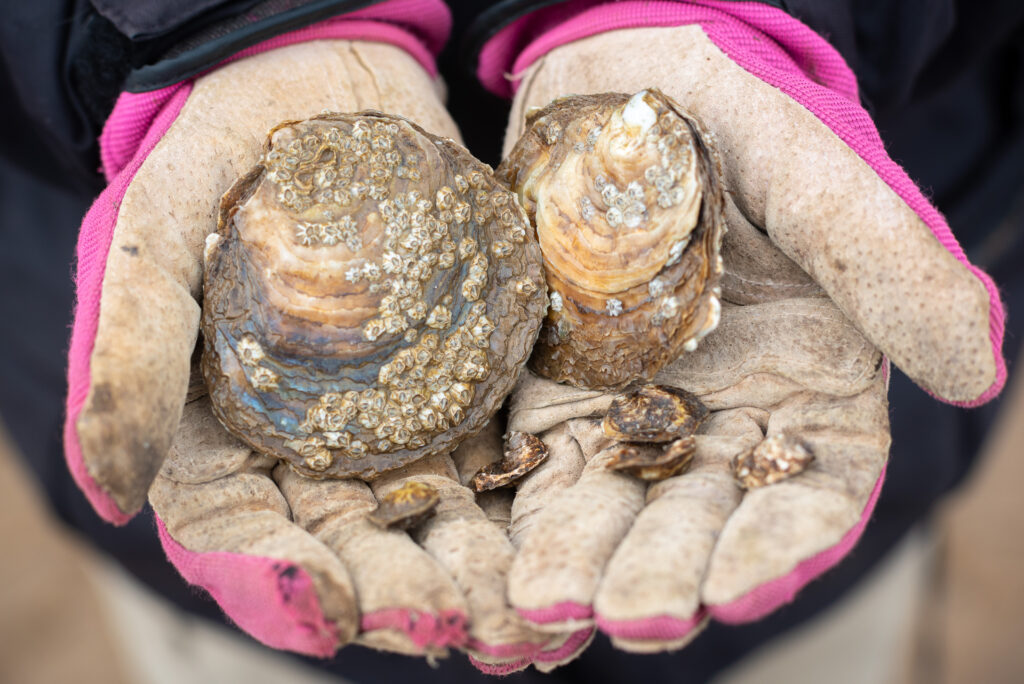
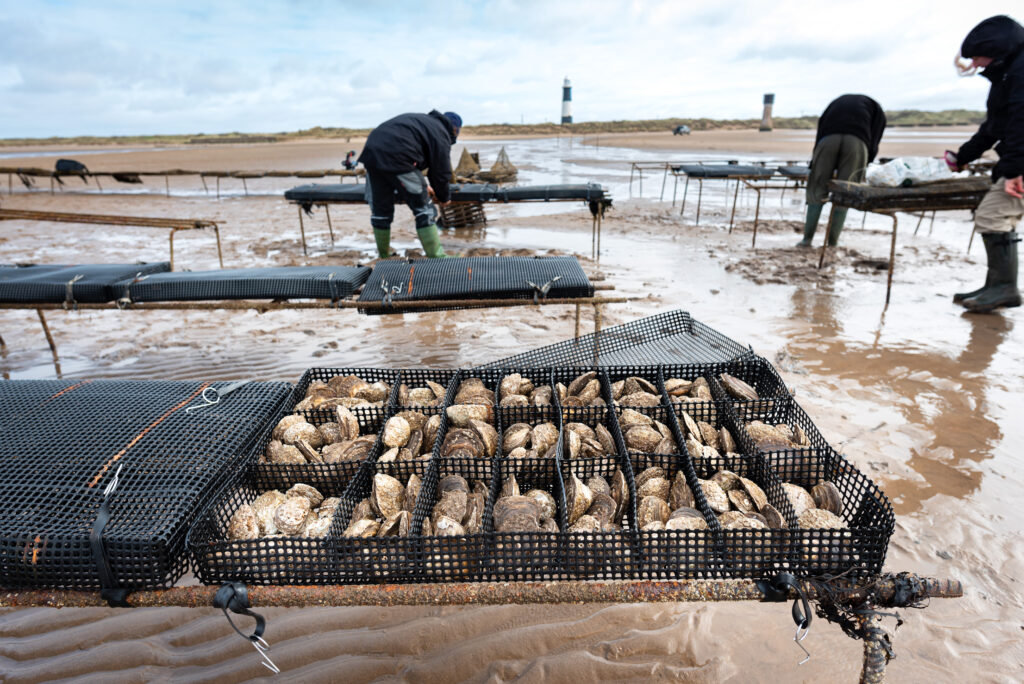
A project called Wilder Humber launched in 2023 at Spurn Point involving a number of wildlife organisations and energy company Orsted aims to re-introduce around 500,000 oysters into the Humber over a five-year period. The idea is to create new oyster reefs large enough to become self-sustaining. Once established, it’s hoped the oysters will act as natural filters by improving water clarity while reducing excess nutrients in the estuary.
Reefs also provide shelter and breeding grounds for hundreds of other marine species and project partners are hopeful they will also act as breakwaters to reduce wave energy and ultimately protect coastlines from erosion. Most importantly, oysters from the new reefs will not be fished for human consumption to allow them to mature and become resilient.
Andy van der Schatte Olivier, Yorkshire Trust’s marine programme manager said: “Bringing oysters back to the Humber after almost a century is more than a milestone, it’s a moment of leadership in marine restoration. Wilder Humber is the one of the first projects in the UK, if not the first, to restore native oysters in the intertidal zone where they can be monitored and studied far more effectively. Most restoration work elsewhere in the UK happens subtidally, often in areas that are difficult to revisit because of competition and access challenges. By working intertidally, we are setting a new precedent , accelerating learning and opening the door for many more restoration projects like this across the UK.”
Angus Young