
This sounds like an April Fool gag, but it honestly isn’t. Hippos used to live wild in Hull, insists our unlikely ungulate correspondent Angus Young.
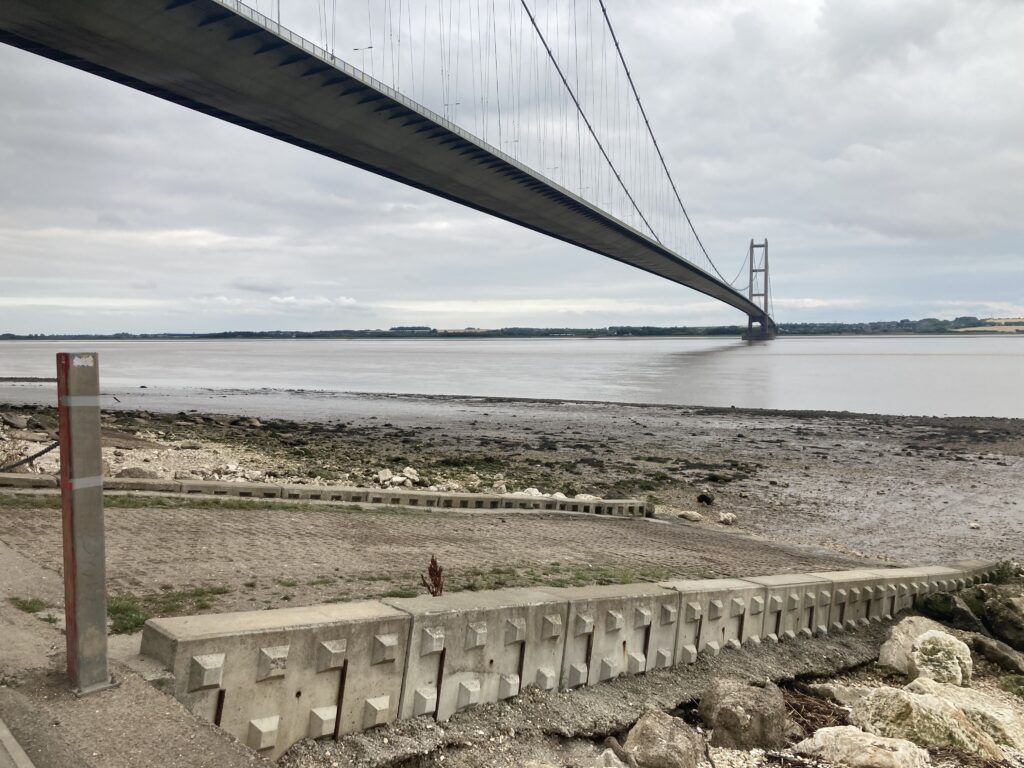
Picture the scene. You’ve taken the kids to the Humber Bridge Country park (Switzy! Ed.) and afterwards you’re all having an ice cream on the Foreshore. Then, as you take in the views across the estuary, a large hippopotamus emerges from the water and starts heading your way. Unlikely? Well, not if you happened to be standing in roughly the same spot about 120,000 years ago.
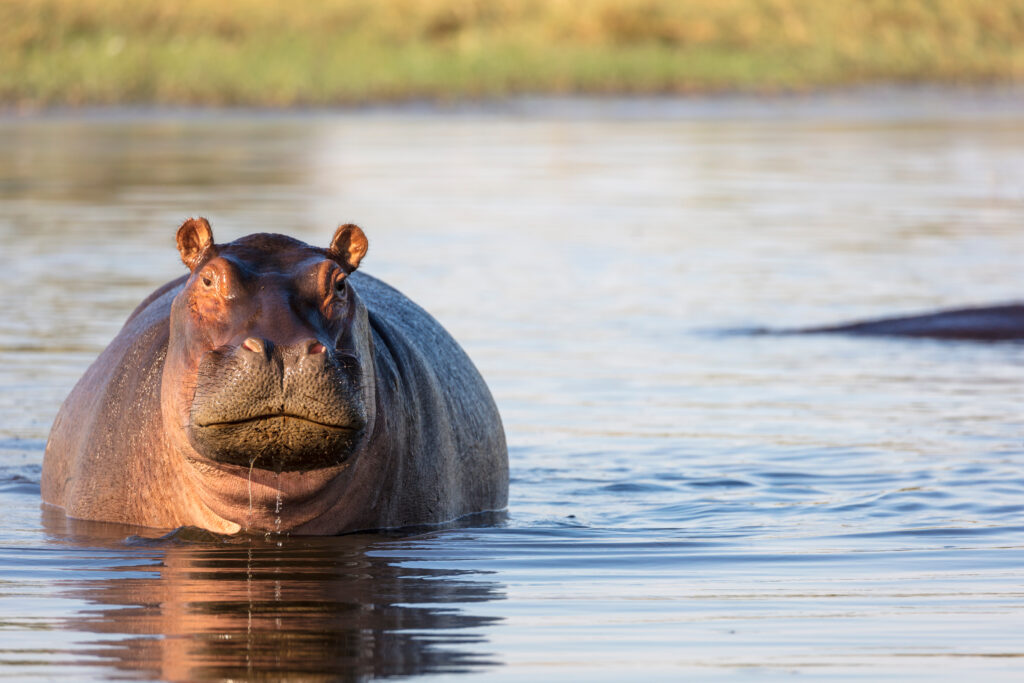
Back then, hippos roaming about in Hessle were almost certainly a thing. Hull University biologist Dr Africa Gomez says the past existence of hippopotamus in Britain is well documented with fossils found in Wales, across southern England and as far north as Newcastle. “The hippos from the last interglacial period belonged to the same species as today’s African river hippo,” she explained. “They would have likely shared similar behaviour and habitat; they would wallow in slow flowing water during the day in noisy herds and emerge to feed on nearby grassland at night, following well-trodden trails.”
Numerous hippo fossils – mainly teeth – have been found across Yorkshire confirming they lived near all the major river basins in the region, including all the tributaries of the Humber. “The presence of hippo fossils in a site is a good indication of mild winters and a warmer climate than we have today,” said Dr Gomez. “The Humber, with its main tributaries the Ouse and the Trent, would have been a hippo hotspot.”
The main hazard for the Humber hippos would have been avoiding being swept out to sea. At the time, the coastline was much further inland than it is today with chalk cliffs running from Hessle near the Humber Bridge via where Beverley and Driffield now stand before reaching Sewerby near Bridlington.
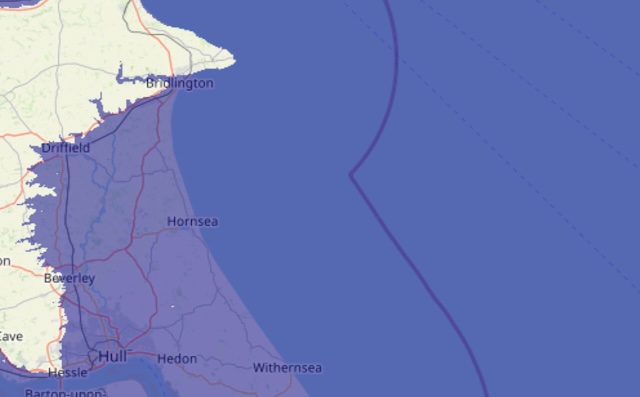
Dr Gomez is so enamoured with the period that she has devised The Last Interglacial Coast Trail on her Wild At Hull blog, a walk in stages following the East Yorkshire coastline as it was back then. Using public rights of way as close as possible to the ancient coast, she’s mapped out eight 10-12 km stages to follow. “The last interglacial is a glimpse of the last time Britain had thriving ecosystems without humans, during a period with a similar climate than today,” she said. “If I could time travel, even for a single day, I’d like to visit the British Ipswichian (named after an excavated site site in Suffolk where interglacial flora was discovered). Time travel is unlikely to happen but researching that period of time, visiting the sites and using our imagination to try and visualise in an informed way how our environment would have looked then is something we can do. This thought gave me the idea for this walk.”
As well as hippos on the Hessle to Cottingham leg of the walk, Dr Gomez also attributes a different contemporary interglacial creature to each subsequent stage. As a result, she catalogues beavers, brown bears, giant elks, narrow-nosed rhinos, straight-tusked elephants, cave hyenas and cave lions, all of them inhabiting the same place we live in today.
Angus Young