

At Curiosity, we like to think we’re not afraid to handle the big questions. Here, our animal ownership correspondent Angus Young takes on a surprisingly important one.
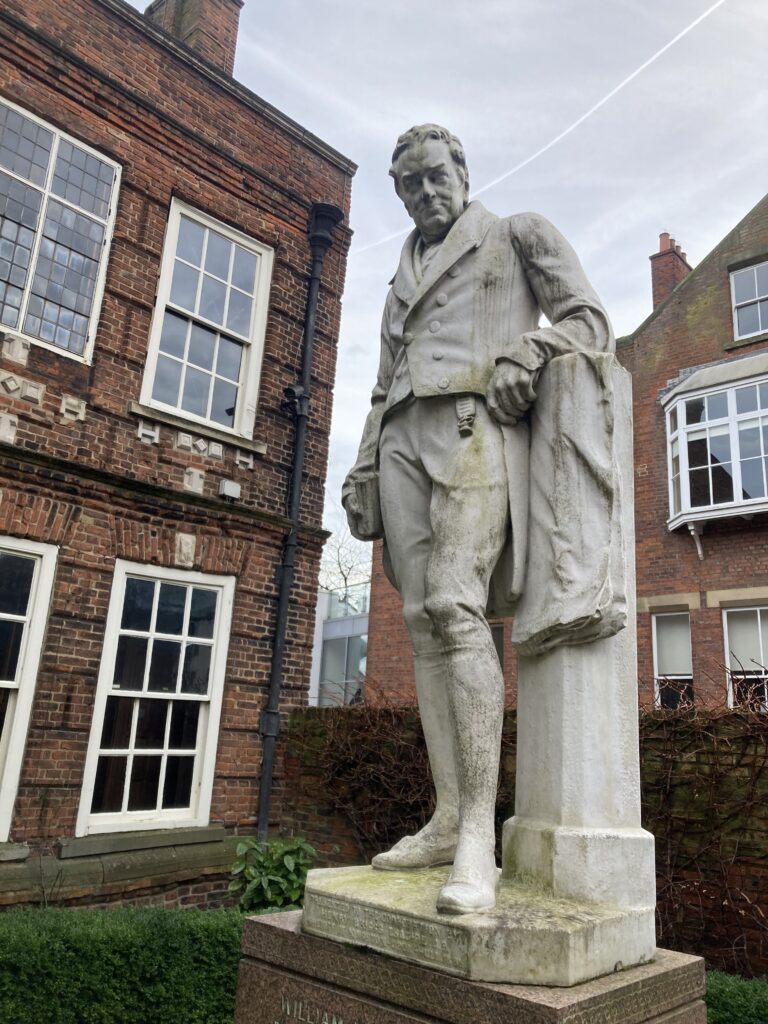
In June 1826 a meeting of like-minded people was held at Old Slaughter’s Coffee House in St. Martin’s Lane in London. The gathering was taking place because of shared determination among those present to change animals’ lives and among their number was an MP.
By then, Hull-born William Wilberforce was best-known for heading an ultimately successful parliamentary campaign to end the British slave trade. However, he also had a common cause with most of those present in the coffee house that day. Wilberforce was convinced of the importance of religion, education, morality and championed numerous related causes and campaigns. Among them was a burgeoning movement to protect animals from human cruelty.
At the time, cruelty to animals was widely accepted by society. Few people kept pets and animals were used for working, food and entertainment while setting dogs on chained bulls or bears was considered a sport. Four years earlier the first-ever law protecting animals had been passed after a campaign by an Irish MP Richard Martin. The legislation applied to horses and cattle. Martin was also present in the coffee house along with Wilberforce and the Reverend Arthur Broome, a vocal animal welfare campaigner and vicar of St. Mary’s in the Bow.
Together, the meeting of 22 people agreed to form a new society dedicated to the prevention of cruelty of animals, later re-named as the RSPCA when Queen Victoria gave her permission for the addition of the prefix ‘Royal’. Wilberforce’s interest in the subject was a long-standing one, prompted by his own religious conviction. He wrote many essays on how to combat the mistreatment of animals, including a fierce condemnation of the practice of bull-fighting. His belief was that both man and animal were of the same origin and, as such, they were both meant to live in a harmonious relationship.
Early campaigns organised by the new society covered animal welfare on farms and animal fighting. Until then and like most large towns, Wilberforce’s birthplace was rife with animal cruelty. Bull-baiting continued to be a regular event at carnivals during Wilberforce’s lifetime while cock-fighting remained a popular pastime. A book printed in Hull in 1761 titled The Gentleman’s or Farmer’s Companion even provided extensive advice on how to buy and breed fighting cocks along with tips on their diet and how to house them in coops fragranced with burnt herbs to protect the birds from mites.
Today, the RSPA hosts an annual Wilberforce Lecture allowing leading figures to talk about the relationship between humans and animals and recently published the Wilberforce Report, mapping out a detailed look at the challenges and opportunities facing animal well-being over the next 25 years. As for pets, it’s known that when Wilberforce married his family home in London became a slightly eccentric place with numerous pets living inside the house, including a cherished rabbit.
Alas, we don’t know the rabbit’s name.