
If you head to hull Fair vis Spring Bank this week, our railway housing correspondent Angus Young reports, you’ll likely pass a building with a little-known past.
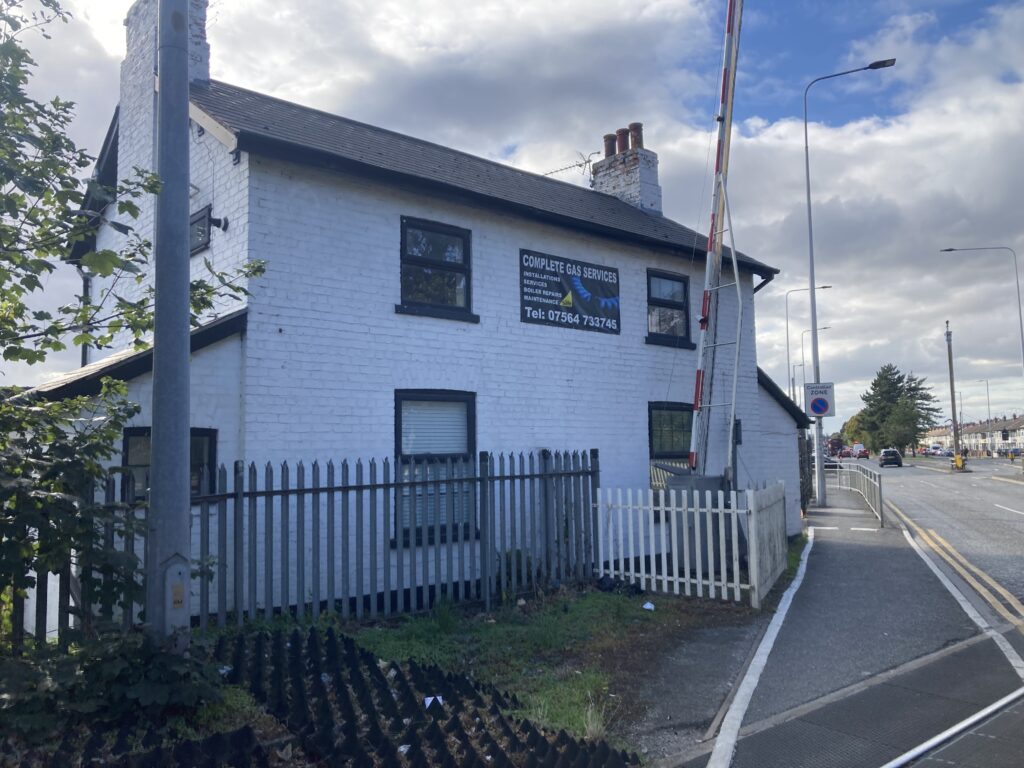
Hull Fair has been on its present site in Walton Street for well over a century. The annual extravaganza moved there in 1880 and shows no sign of going anywhere else anytime soon despite many believing it should do. The Fair has changed considerably since its early days but one building in Walton Street not only pre-dates it but still looks much the same as when it was first constructed.
The Hull to Bridlington railway line opened in October 1846. The new double track line left the Hull to Selby line at Dairycoates and headed north to Cottingham, passing through Driffield before reaching Bridlington. Two years later a new five-mile route was created in Hull to link the line to the newly-opened Paragon station. This route is the one which still exists today, carrying trains behind Hull Royal Infirmary and the MKM Stadium and over a level crossing on Spring Bank West.
Back in 1848, the opening and closing of the crossing gates was a manual operation. As there were only five trains a day running between Hull and Bridlington, closing the gates created little disruption as Spring Bank West – then still known as Derringham Bank – was little more than a country lane surrounded by fields. However, as more services were introduced the need to open and close the gates on a more frequent basis became more important until a decision was made to build two cottages adjacent to the crossing where railwaymen assigned operate the gates and a signal box could live with their families. It’s believed the cottages were built around 1870 – a decade before the arrival of Hull Fair.
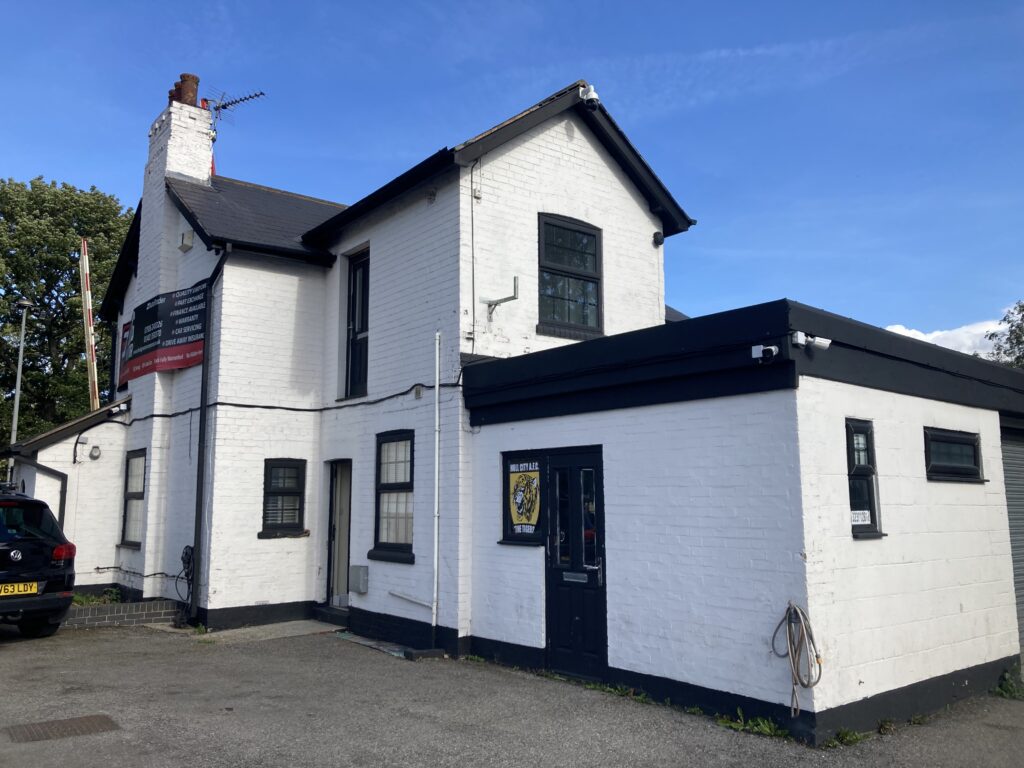
The Spring Bank/ Walton Street cottages, yesterday.
Automation eventually removed the need for a signal box and the old gates. The box is long gone but the cottages are still there, now being used as a car sales business.
Joseph McBride lived in one of the cottages in the 1970s as a child and recalls they were quite spartan. He said: “I lived in one of the ex-railwaymens’ cottages from 1972 to 1975 when I was at Paisley Street School before going to the Boulevard boys’ junior school. There was no hot water and we had to use an outside toilet. We rented it off Larards before it was sold to Ced Francis who converted them into a car sales business.”
It’s thought the origin of the distinctive white-coloured look of the cottages lies with Mr Francis, who decided on a major makeover when he acquired the two properties. Most of the original internal features have long since disappeared but externally the two cottages still retain much of their historical charm, including two tiny windows. Keen-eyed passers-by might also notice a first floor doorway leading into fresh air, a connecting external stairway having been removed at some point in the distant past.
Surprisingly, the two cottages are not listed despite their age and importance as a rare surviving example of residential railway architecture from over 150 years ago.