
It’s been six whole years since it closed. Will it ever re-open, asks our river traversing correspondent Angus Young.
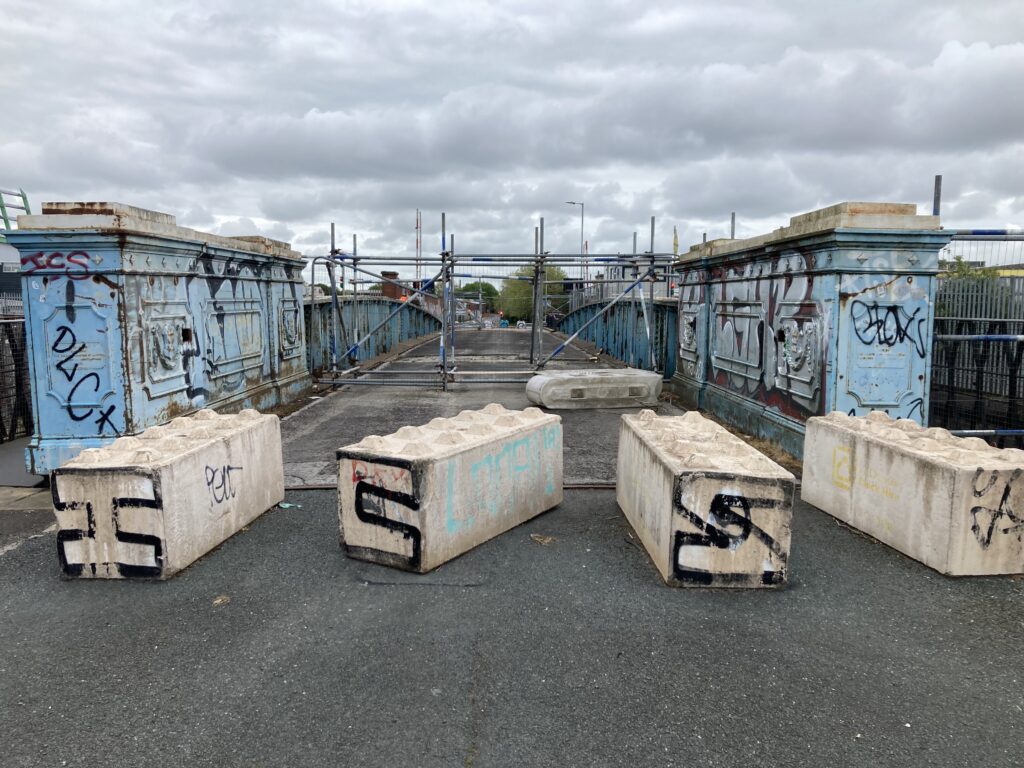
Bridges have been built over the River Hull for over 500 years with the oldest surviving crossing being Sculcoates bridge. Also known as Chapman Street bridge, it opened in January 1875 and is now a Grade II listed structure. The swing bridge was constructed at a time of rapid industrialisation in the surrounding area, providing a new transportation east-west route for both goods and workers. A still visible metal plaque on the bridge carries the name of the Hull borough engineer Joseph Fox Sharp, who also designed East Park.
Fox’s design for the new bridge was ground-breaking as it included what was believed to the first counterbalancing system of its kind in the form of a large cast iron box situated at the western end of the structure which covered the turning machinery. Initially, the bridge was opened and closed by hand with four men employed to move the 240 ton-load load. It took them two minutes to complete a full opening for river traffic and closure
Another striking feature of Fox’s design were the two huge cast iron cylinders sunk into the river creating the bridge’s pier. Each cylinder was sunk 18ft below the river bed into a dry hard bed of boulder clay. They were then filled with cement concrete with each one being weighted with a 96-ton load before being left in a stationary position for 24 hours to let the concrete set.
Consent from the government’s Board of Trade to build the bridge was actually secured by Hull’s Local Health and Urban Sanitary Board on condition that the bridge was completed in three years. That deadline was met however fast forward just over 150 years and a visit to Chapman Street today reveals a sorry sight.
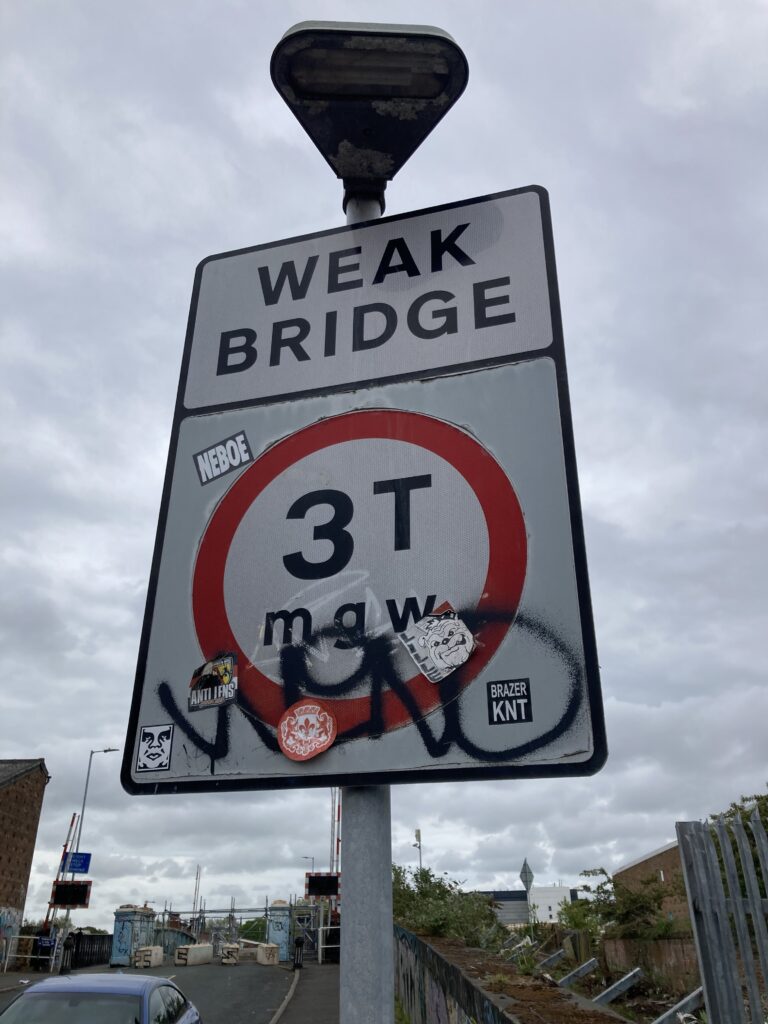
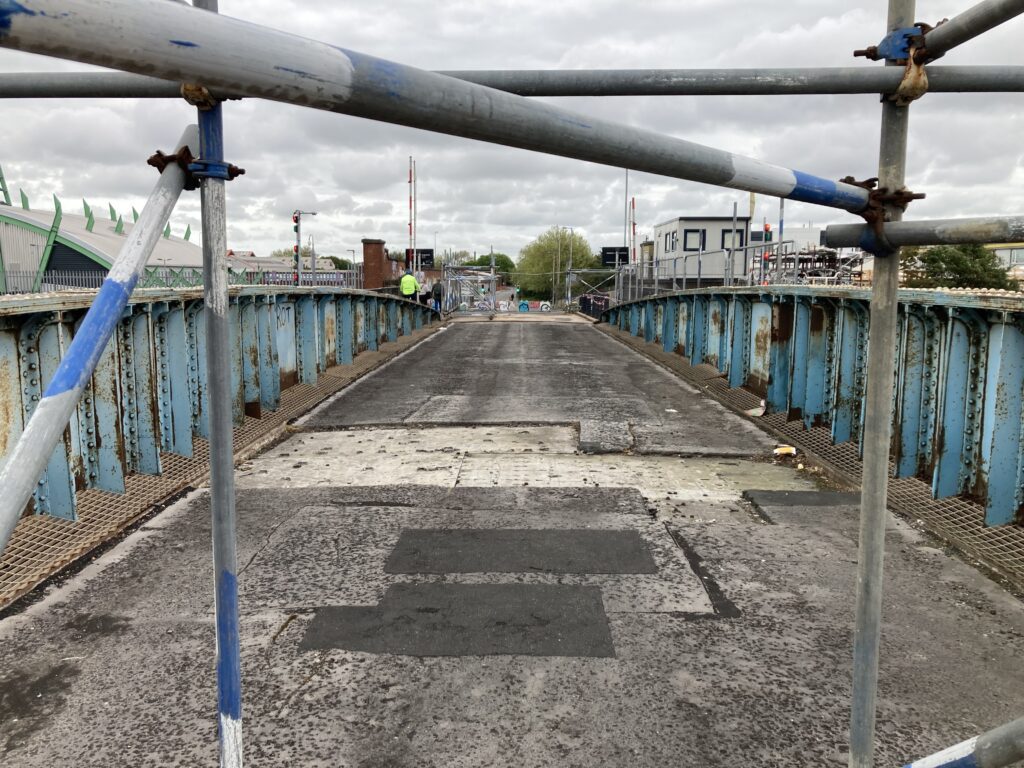
Sadly, the bridge has been closed to motorists for the last – checks notes – SIX years after it was declared unsafe for heavy vehicles and at risk of collapse. Pedestrians and cyclists can still use it, albeit using the same narrow walkway. As you might imagine, being mothballed this long has not only left it covered in graffiti but has also left many wondering whether it will ever re-open.
Last October the city council appointed specialist civil engineering consultants Mason Clark Associates to develop the scope of a future design and build project. That followed earlier work by another firm of consultants hired to carry our feasibility studies as well as coming up with a concept design.
As part of the current contract, Mason Clark is also liaising with the likes of the Environment Agency, the Marine Management Organisation, Historic England and the council’s planning department before working up a full new technical design aimed at bringing the bridge back into use. That design will then have to go through an approval process
The big remaining questions are when is the bridge likely to re-open and how much will it all cost? As yet, there isn’t an exact date for the bridge to swing back into action. However, the council’s recently-approved three-year capital highways programme suggests it’s likely to be some time during the 2028/9 financial year. That’s because funding allocations for the scheme have been set aside for the next three years – £500,000 for the current financial year, £3.9m next year and £4m in the following year.