
It’s all well and good to remember bin day, but what happens after you’ve put them out for collection? Our refuse destination correspondent went and found out.
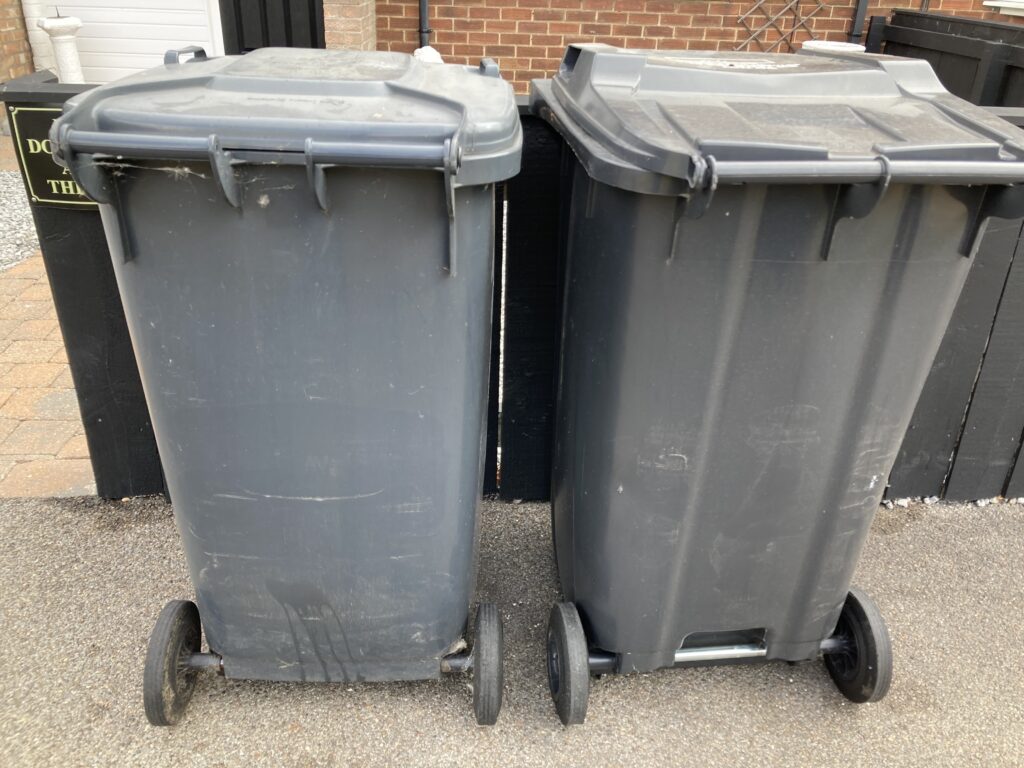
We all do it. It’s bin day so the right bins are wheeled out into position, they’re emptied into the back of a bin lorry and taken away. Once the vehicle is out of sight, it’s the end of our most familiar weekly transaction with Hull City Council.
For most of us, where all that rubbish ends up is of little concern once it’s left the street. So where does it all go from there?
Once upon a time it was all simply dumped in landfill sites. Back in 2006 both local councils in Hull and the East Riding adopted a new joint waste strategy at boosting recycling and composting while reducing the amount of household rubbish going into landfill. The idea was to lift recycling rates above 45 per cent. At the time, it was an ambitious target. Three years earlier, Hull’s recycling rate was just six per cent.
Today the city’s rate is just below 50 per cent – significantly higher than both the regional average across Yorkshire and the national average. Since 2006, the council has developed a network of household waste recycling centres alongside its traditional weekly collection service for all residents and commercial customers. The current system sees the waste we sort into different-coloured bins at home ultimately ending up being used for different things.
Brown bin rubbish – garden and food waste – is sent to Biowise Ltd. in Willerby where it is turned into compost for use in agriculture and horticulture. The contents of blue bins – plastic, metal, glass, paper and card – heads up to Hartlepool where J&B Recycling where items are re-processed back into other products which are then sold to firms across the UK and abroad. Finally, the non-recyclable black bin rubbish, often referred to as residual waste, initially stays in Hull, being delivered to Geminor UK’s facility in St. Mark Street where it is processed and turned into refuse-derived fuel (RDF) for use in energy-from-waste plants.
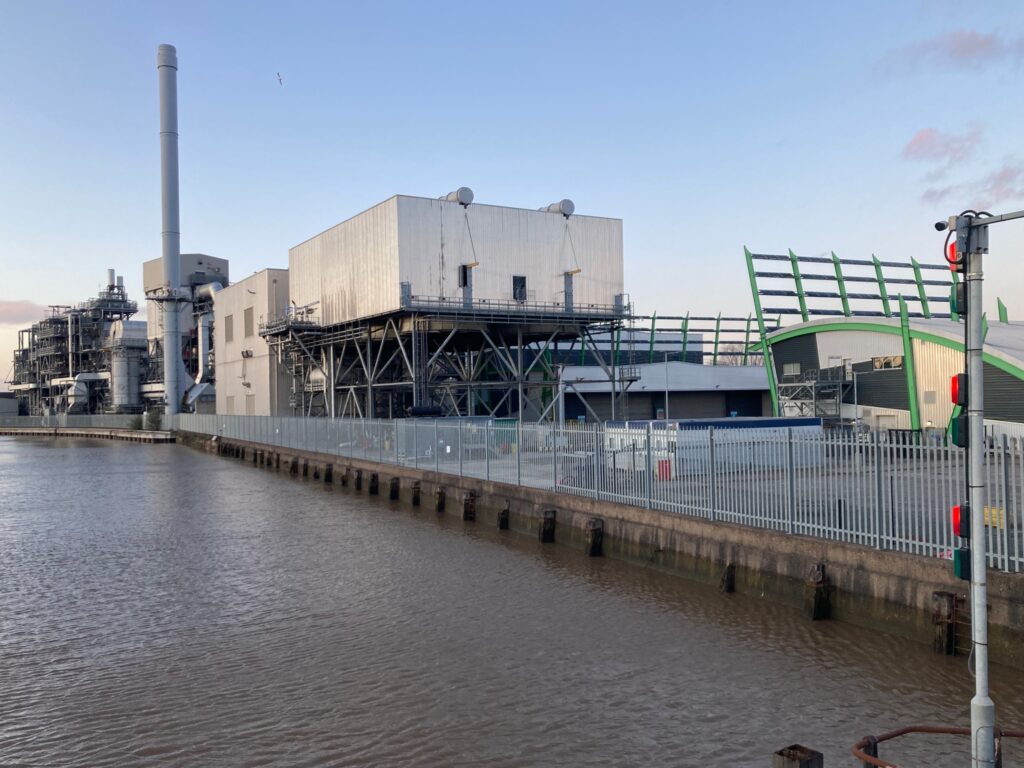
The original destination for this RDF was meant to be the nearby Energy Works complex in Cleveland Street but technical problems at the facility forced a re-think and Geminor has recently upgraded its processing plant with a new RDF baling and wrapping production line. This has taken the site’s annual capacity up to 150,000 tonnes and now sees waste being sorted, shredded, magnetically separated, baled and packaged before being transported to customers in the UK and loaded onto bull carrier ships at Albert Dock in Hull for export to Nordic countries.
So remember the next time you chuck something in your black bin, it’s highly likely that it will end up powering an energy plant in Sweden. However, your black bin rubbish could soon be doing the same thing much closer to home as Energy Works is set to re-open soon under new owners and operators.
Now that’s what I call recycling in your back yard.
Angus Young