
It’s not blue, it can’t travel through time and space, but our interdimensional travel correspondent Angus Young insists this box is still magic.
The idea of using a police box as Dr Who’s trusty time-travelling machine is attributed to BBC writer Anthony Coburn. He re-wrote the first ever episode of the long-running sci-fi series from an original draft by fellow writer C.E. Webber and, in doing so, came up with the notion of the shape-shifting spacecraft – small and familiar on the outside, something much bigger and more dramatic on the inside. Coburn’s An Unearthly Child was broadcast in 1963 and the Doctor’s TARDIS – an acronym for Time and Relative Dimensions in Space – first appears hidden in a London scrapyard.
In real life, traditional police boxes would soon be phased out with the arrival and use of personal radios, also known as walkie-talkies. According to legend, the decision to use a police box instead of creating something more elaborate was to keep within the show’s design budget. Some claim the TARDIS was actually a re-used prop from the BBC police dramas Z-Cars and Dixon of Dock Green rather than being specially built for the new show. Either way, the appearance of the Doctor’s machine was relatively faithful to the original 1920s police box design by Scottish architect Gilbert Mackenzie Trench.
Like most cities, Hull’s old police boxes have long since disappeared off the streets. They looked more like oblong timber-panelled garden sheds rather than Trench’s square box. However, one intriguing box building once used by the emergency services remains.
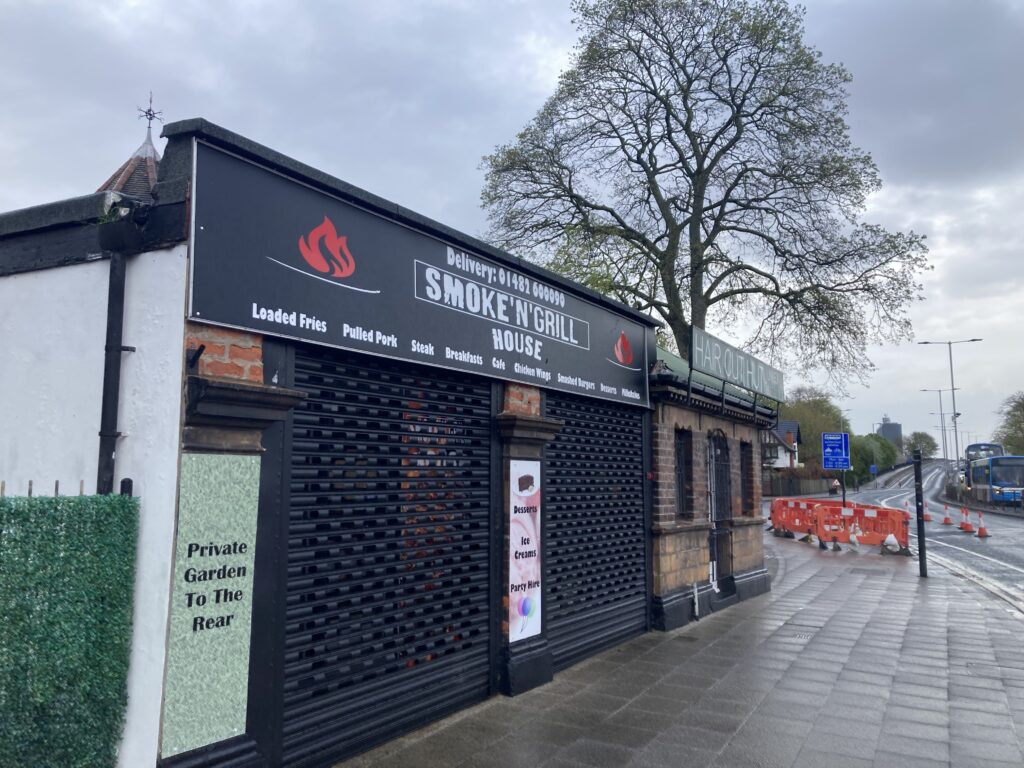
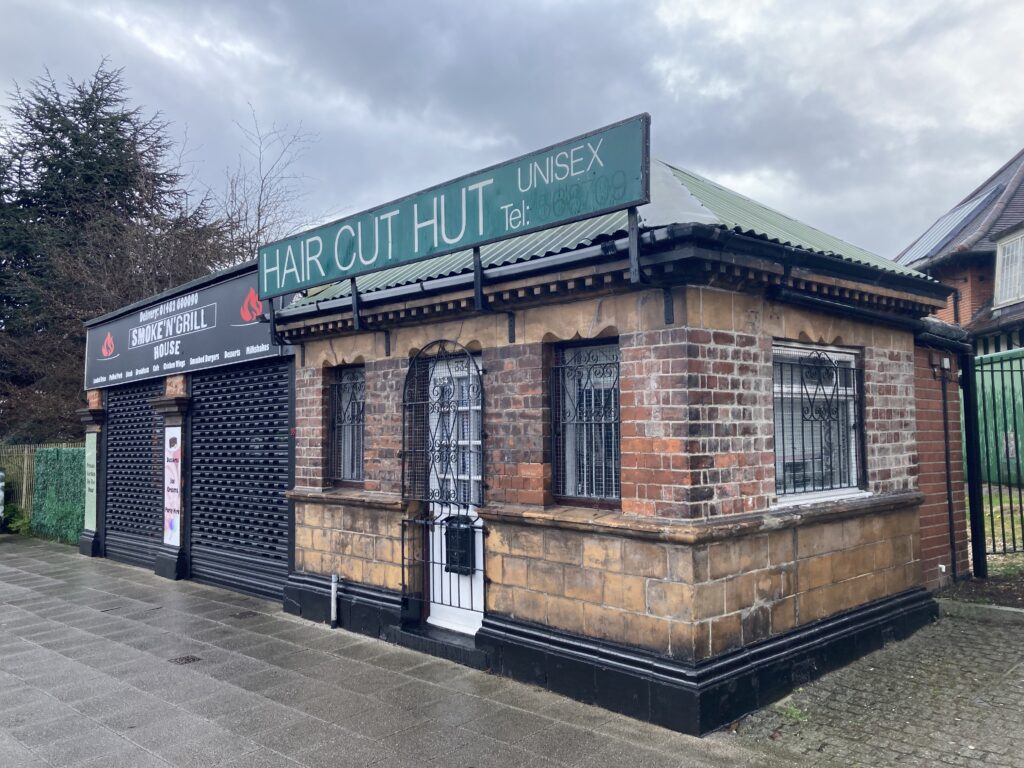
Opened in 1900, City of Hull Police Fire Box No. 6 stands on Anlaby Road near the entrance to West Park. It’s the only survivor from an original list of nine fire boxes across the city and was built as a base for local officers to liaise with headquarters with adjoining storage space to keep ladders and other fire-fighting equipment, including a horse-drawn cart. A patch of land at the rear is certainly large enough to have provided space for a horse to have been kept there.
At the time, police officers were also trained as firemen and the location of the new box mirrored the expanding immediate neighbourhood it was designed to serve. The single-storey fire box features decorative brickwork and arched door and window openings, known as ogee shapes. Set slightly back, the adjoining storage shed once boasted a fine pair of original wrought iron gates fronting onto Anlaby Road. Sadly, they are no longer around, Instead, there’s a rather incongruous metal roller shutter although the two stone square gateposts are still in place.
Somehow, the fire box survived the construction of the nearby Anlaby Road flyover in 1964 and 30 years later it was awarded Grade II listed status in recognition of its historic importance. Today you can pop in for a trim in the hair salon which occupies the old fire box while a hot food takeaway serves up burgers, chicken wings and loaded fries from the former storage shed.