
Our city circumvention correspondent Angus Young takes a look at 200 years of a place designed to avoid our city.
As the industrial revolution picked up pace in the early 19th century, Britain was changing fast and canals were the main way of moving coal, iron, wool and manufactured goods from inland towns to the coast for export. The Aire and Calder Navigation Company already controlled a vast network of canals connecting Yorkshire’s industrial centres but it faced a problem – it was forced to rely on the busy and expensive port of Hull. Hull’s main docks and quays could charge a fortune for access so the Aire and Calder bosses came up with a radical alternative. They would build their own port and their own town.
The result of their endeavours was Goole, until then a tiny settlement on the banks of the River Ouse. 2026 is the bicentenary of the town marking the construction of the town’s first street and the creation of Britain’s furthest inland port. Although eventually eclipsed by the railway, the canal route into Goole was an example of Victorian engineering innovation with specially-designed boats called Tom Puddings carrying West Yorkshire coal in compartments and linked together in long ‘train’ while under tow by a tug.
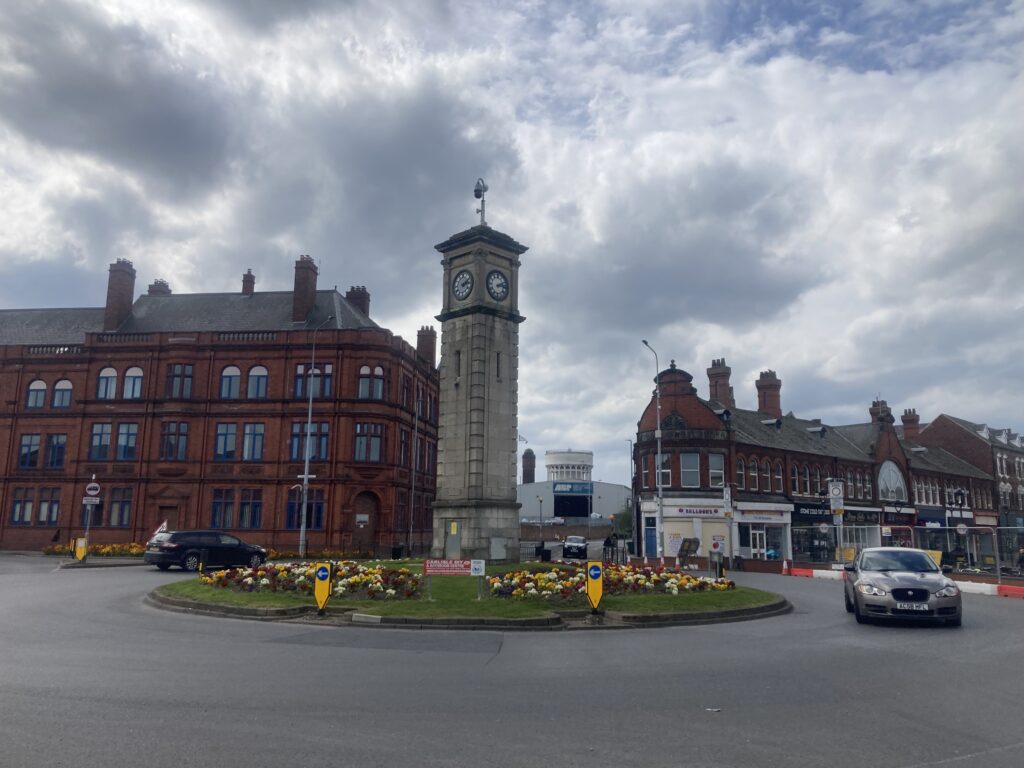
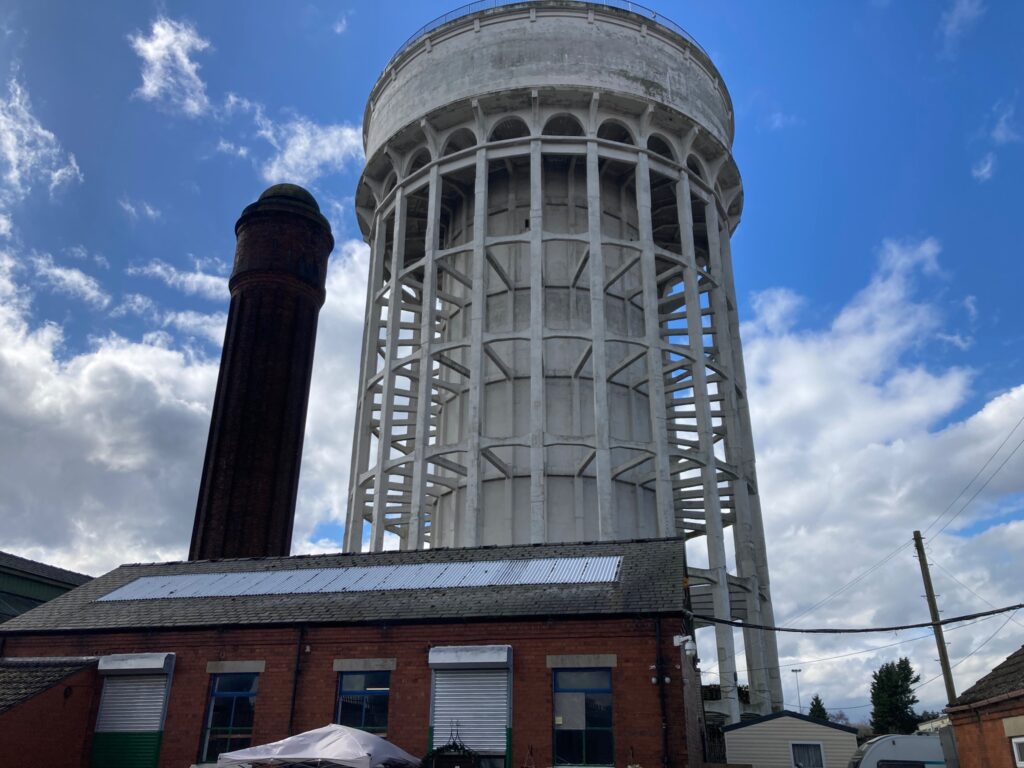
Two centuries on, Goole remains slightly unusual. It’s a place created because of transport and shaped by trade and engineering rather than medieval markets or ancestral estates. The town’s grid layout, dockside character and industrial heritage all trace back to decisions made in 1826 by a canal company focused on efficiency and profit. As well as the iconic twin water towers (known as ‘the salt and pepper pots’), there’s a clock tower built 100 years ago to celebrate the town’s centenary.
Ten years ago Terence Smith made national headlines when he became Goole’s Mayor at the tender age of 19 and, in doing so, became the UK’s youngest ever elected mayor. These days he works as Hull East MP Karl Turner’s senior parliamentary research assistant but he remains fiercely proud of his Goole roots. He said: “Goole isn’t just where I grew up, it’s the place that shaped the person I am today and gave me a sense of belonging from an early age. Some of my happiest memories were made here and, as I’ve grown older, my appreciation for that remarkable town has only become stronger.
“Goole has a rich history that runs through every part of our community. From its proud maritime and industrial heritage to stories passed down through generations, that history gives it an unique identity and a deep sense of pride. It’s something that should be celebrated and protected for future generations.
“If you ask me what makes Goole special, my answer will always be the people. I was fortunate enough to meet so many incredible individuals who give their time, support their neighbours and work tirelessly to make the town a better place. Their community spirit, resilience and compassion are what make Goole more than just a town, they make it a family.”
Angus Young