

Fancy becoming mayor? According to our fleeing embezzlement correspondent Angus Young reports, all you have to do is become an international pursuer.
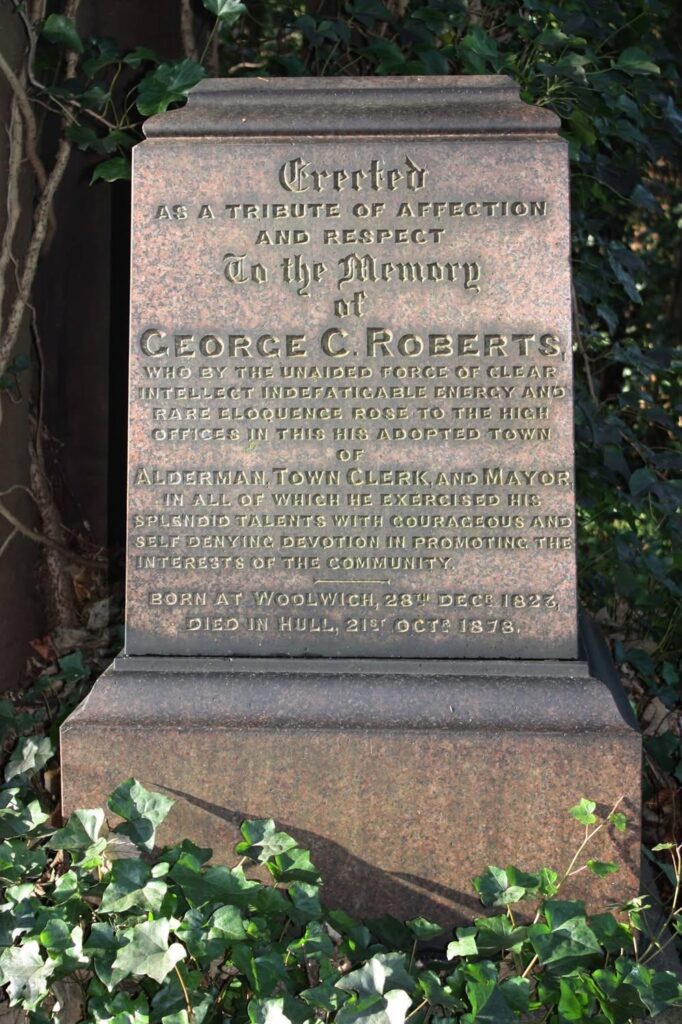
The large memorial to George Roberts in Hull General Cemetery reflects on a life of impeccable civic duty. The inscription reads: “Erected as a tribute of affection and respect to the memory of George C. Roberts who by the unaided force of clear intellect, indefatigable energy and rare eloquence rose to the high offices in this his adopted town of Alderman, Town Clerk and Mayor in all of which he exercised his splendid talents with courageous and self denying devotion in promoting the interests of his community.”
Fine words indeed but they don’t mention an even more remarkable episode in Roberts’ time in Hull. It’s a story which could easily belong in an Indiana Jones film.
Roberts was born in London in 1823 and trained as a solicitor in Shrewsbury before moving to Hull in 1846 to work for John Saxelbye, a solicitor who represented both the Board of Trade and the Admiralty as a receiver with responsibility for the recovery of shipwrecks, salvage and goods lost at sea. Two years later Roberts became involved in an incredible case which reads like an epic adventure novel.
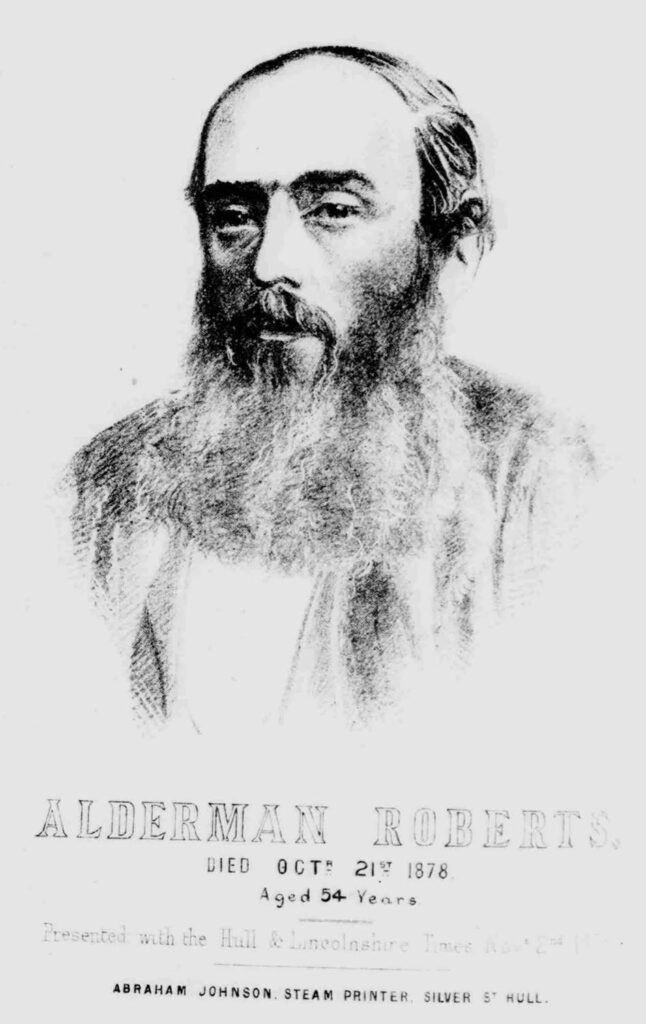
It began with the theft of £2,000 by an employee of one of Saxelbye’s clients in Hull. Today that equates to around £315,000. The thief had worked as manager at the client’s manufacturing business, having moved from London to take up the position at the company. Roberts was duly assigned to represent the injured party and it seems he was tasked with finding the thief and recovering the stolen money.
His pursuit initially took him to London and then Rome and Malta. By the time he arrived on the island, the man he was tracking had already sailed for North Africa. Undeterred, Roberts continued the chase by chartering a vessel to take him across the Mediterranean.
Arriving in Tunisia, he hired a party of guides and set off again riding on a camel across the desert after discovering another European had been seen heading in the same direction a few days earlier. Eventually, Roberts’ party arrived at a resting place on the route where, unknown to him, his quarry had also set up a camp.
According to a contemporary newspaper account, he asked if any Europeans were present and the man he had been discreetly following duly emerged from a tent. “On this gentleman being produced, Mr Roberts recognised the man he was in search of,” said the report. “He was too much of a lawyer to do anything impetuously, and he said nothing of the robbery at first, but having found his man he resolved to stick with him.”
The pair spent some time together at the stopover with Roberts trying not to arouse suspicion. However, sensing the man was becoming wary of him, he finally decided to act. “With diplomacy failing, Mr Roberts openly declared who he was and what he wanted, and gave the thief to understand that if the money were not given up peaceably, he was prepared to take him back to England with the money and bring him to justice. The man held out for a time but at length negotiations between the two were commenced and the result was that nearly the whole of the money was returned and brought to England by the indefatigable gentleman who has pluck and perseverance. It may be added that the runaway had stowed part of the notes down the barrel of his gun and expressed the intention which he had of shooting anyone who attempted to capture him.”
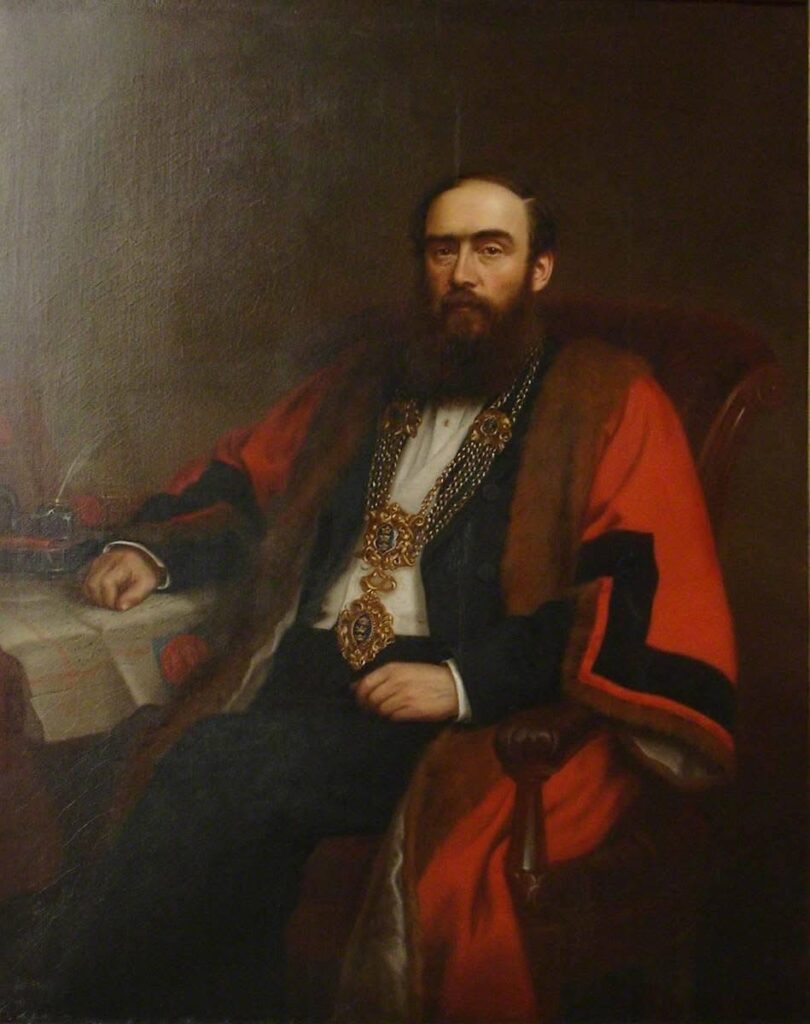
Roberts returned to Hull with his reputation spectacularly enhanced. He would go on to enjoy a successful legal and civic career, becoming Mayor of Hull in 1867. As for the thief, news later reached England that he had been subsequently shot and killed “in the jungle”.