
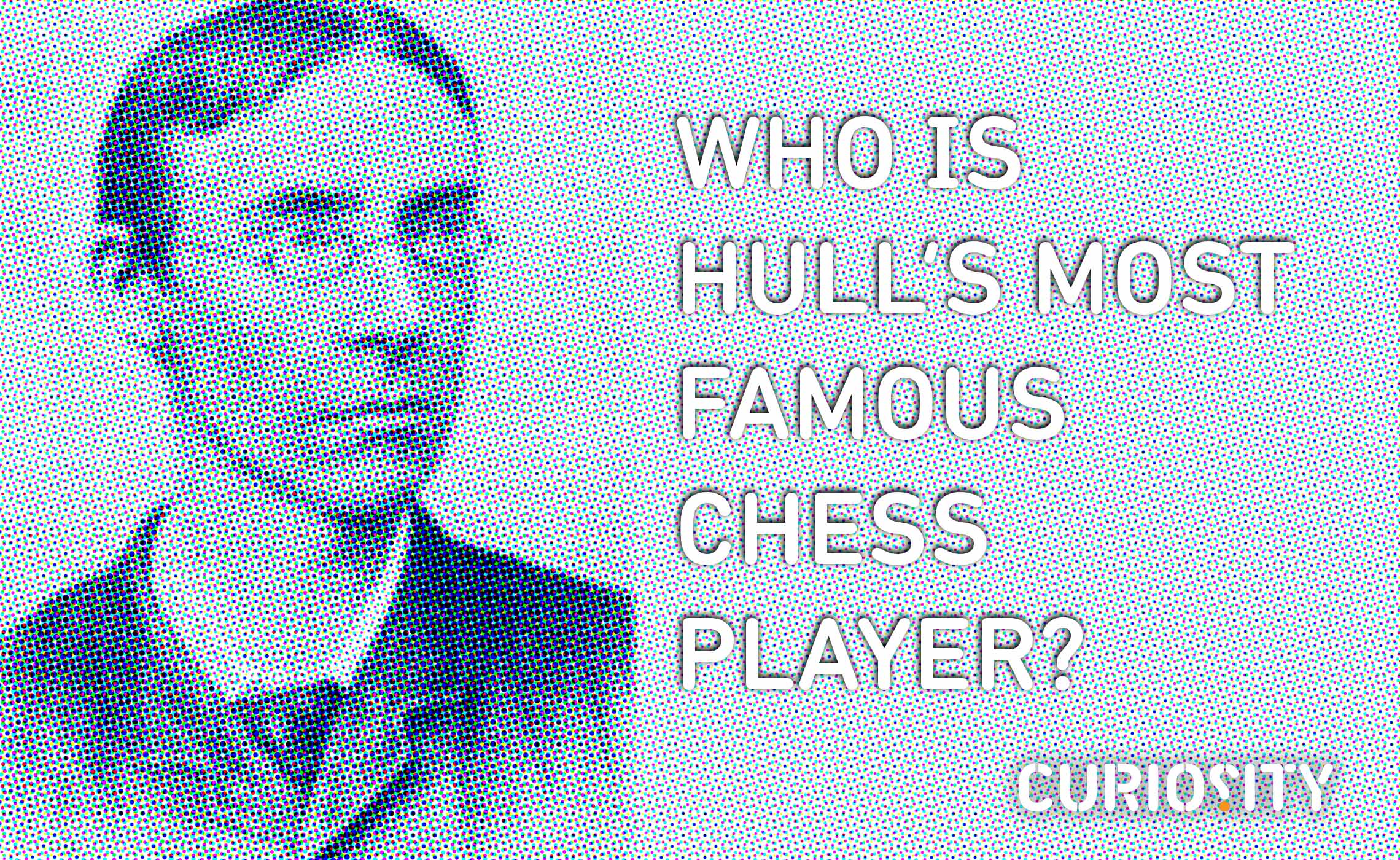
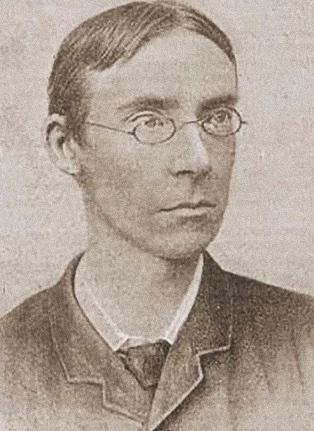
Amos Burn should be as well known as Garry Kasparov and Bobby Fischer, according to our bygone woodpusher correspondent Phil Ascough.

If he’d been born a footballer or rugby league player, Hull-born Amos Burn would have become a household name. Years before Hull City, Hull FC and Hull KR began competing for honours, Amos was being recognised as the second-best chess player in the world. He was 16 when, in 1865, Hull FC were formed as the oldest of the city’s sporting giants. The year is also significant as the one in which he left his home city for Liverpool, where he flourished, making the most of the opportunities at a chess club which was more developed.
“With no history of chess in his family, Amos became an elite grand master in the 1890s, second only to the World Champion,” said Graham Chesters, President of Hull & East Riding Chess Association (HERCA) “I’m surprised that the chess community in Liverpool haven’t made more of the centenary of his death.”
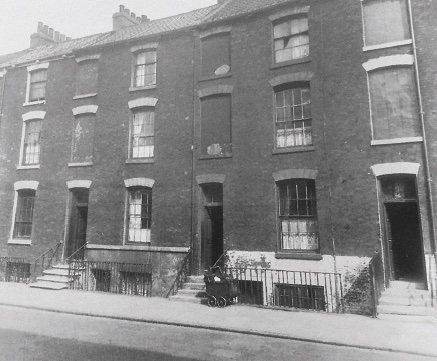
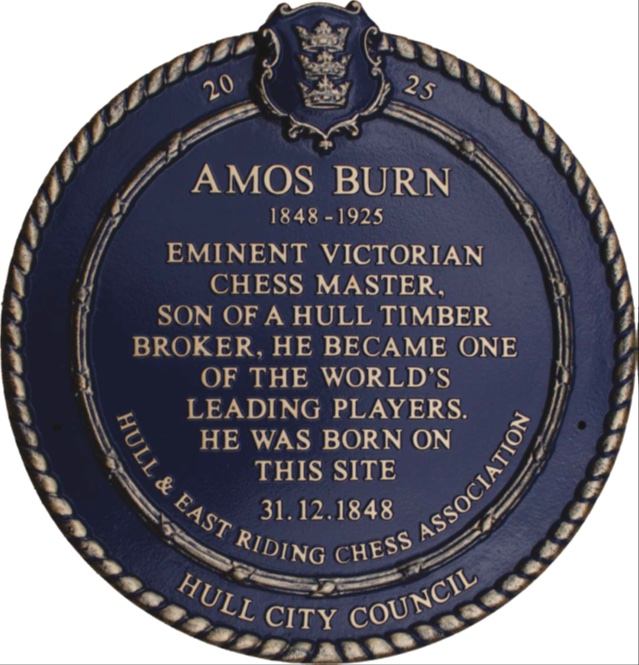
The hope is that Amos Burn’s story will inspire others to explore and enjoy chess, and the Association marked the centenary on 25 November 2025 by partnering with Hull City Council to erect a blue plaque in recognition of his achievements. It hangs on a wall at St Clare House, a care home in Bourne Street which now sits on the site of his family home. The script reads: “Eminent Victorian chess master, son of a Hull timber broker, he became one of the world’s leading players. He was born on this site.”
The original house stood three storeys high and had a cellar but Graham admits there is little information about Amos’s time in Hull, including how much of the property his family occupied or where he went to school. Amos Senior’s occupation indicates that their address was convenient, on the doorstep of Queen’s Dock with its yards and warehouses storing timber, slate, corn, tobacco and more. Graham said: “Amos’s older brother Richard moved to the docks in Liverpool and Amos followed as an apprentice to a firm of ship-owners and merchants. All the signs are he became very successful as a businessman and by a relatively early age – late 30s – he was independently wealthy.”
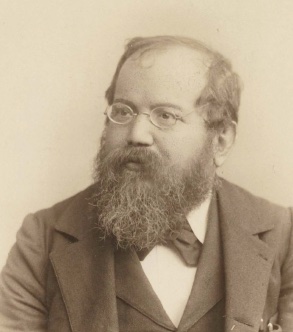
Amos ended up spending quite a lot of time in London on business and that’s where he met the then world champion, Wilhelm Steinitz, a German who coached him. Graham added: “He never became a professional chess player. He set up a business in New York – they had moved beyond timber by then and were all trading in one thing or another. After that he spent his time playing chess and being a chess journalist. That’s what he focused on.”
The archives show that Amos was regularly invited to the greatest international tournaments over two decades and achieved some outstanding results at the very highest level: equal first at London in 1887; first at Amsterdam in 1889 ahead of future world champion Emanuel Lasker; second at Breslau (1889); and first at Cologne in 1898 ahead of world champion and mentor Steinitz.
As a journalist, Amos wrote about chess for the Liverpool Courier and The Field, a prestigious monthly magazine. He became known for his sharp analysis of games and for his direct reporting of tournaments in which he himself was a participant. It was whilst preparing a column for The Field with a colleague in November 1925, that Amos suffered a stroke at his home in London. He died the following day and was buried in the Margravine Cemetery, but his grave cannot be found.
The erection of the plaque in Hull was the culmination of a mobile exhibition organised by HERCA during 2025 to share details of Amos’s family, birthplace, his life in Liverpool and his career as an amateur chess master. Over the years Hull has been prominent in the promotion and development of chess. Players from the city were involved in setting up the governing body, now the English Chess Federation, and in the 1990s Hull became a serial winner of the Yorkshire League. Graham said: “We also won it in 2024 and finished as runner-up in 2025. We are sharing the lead at the moment and have been helped by an influx of Ukrainian players who came to Hull because a well-known chess coach from their country moved here before the war.”
It’s a young team, with one player just 15, others in their early 20s and more prospects coming through. HERCA has four junior chess groups in Hull and Beverley but local schools are not as active in the game as they used to be. Graham: “There was quite lot of chess activity and some strong players in Hull in the 1860s and 70s when Amos lived here but it was at Liverpool chess club where his talent emerged. Hull has been a hotbed of chess at various times in the past and HERCA’s main aim is to show the parents of juniors that a city like Hull can produce someone who could become the second best chess player in the world. He never became a professional but he was clearly an exceptional player.
“We commemorated the centenary of his death with pride. May he inspire a new generation of chess players in the city of his birth – and beyond.”