

This tale from our flagellating friars correspondent Angus Young is typically odd and unsettling.
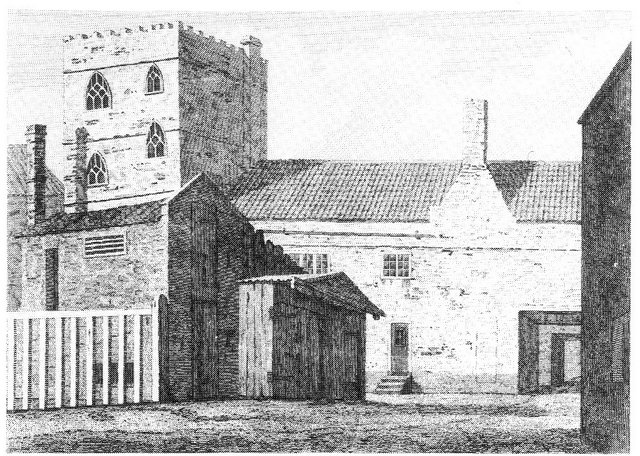
For just over 600 years the former residents and staff of an Augustinian Friary in Hull remained buried and largely forgotten about.
Things started to change in 1994 when archaeologists were given an opportunity to excavate its former site between Market Place and High Street before the construction of a new magistrates court.
The six-month dig uncovered the friary’s foundations, medieval tools and pottery, animal bones and 245 human skeletons.
Many of the skeletons were still lying in wooden coffins made from oak imported from the Baltic. Precise carbon dating identified the trees used to provide the wood were felled between 1340 and 1369.
However, the most extraordinary discovery of the whole project – the extent of syphilis found among the skeletons.
Around 60 per cent of the remains showed evidence of the disease, mostly in changes to bones in the leg.
Three skeletons showed more widespread infection, including one with signs of syphilis in the skull.
Tests on this particular individual indicated he was probably alive at some point between 1300 and 1420 and was aged between 25 and 35 when he died.
Those dates proved significant because until then it was thought syphilis had first been brought to Europe by Christoher Columbus’ crew following their return to the New World in 1493.
Now it appeared the disease was rife in Hull at least a century earlier.
Since then, academics and historians have argued over whether the discovery truly confirms our neck of the woods as the original European hotspot for sexually-transmitted disease.
Some claim excavated evidence from Ancient Greece and Pompeii suggests otherwise but it’s now clear Hull’s status as a major medieval trading port almost certainly had something to do with it.
The friary was a stone’s throw from the entrance to the River Hull from the Humber and like the timber used for the coffins, the port was also an entry point for the disease and the monk’ duties involved caring for the poor and sick including visiting seafarers.
Poor general standards of personal hygiene and the practice of sharing drinking cups probably didn’t help along with the relatively high number of prostitutes associated with the port.
However, the archaeologists also found a number of thin wooden rods made of hazel in some of the coffins pointing to the likelihood that at least some of the monks at the friary took part in self-flagellation ceremonies.
By literally whipping their bare flesh, they believed they would earn redemption in the eyes of God to ensure a place in heaven. Unfortunately, by whipping themselves they were also unknowingly consigning them to an early grave.
Experts now believe the practice would have added to the potential for the indirect spread of the disease through open wounds.
Finally, you might be wondering what happened to the 245 skeletons who were rudely disturbed from their centuries-old slumber to make way for the foundations of the new court building.
Once the dig was over and research into the remains was completed, they were all re-buried at St Charles Borromeo Church in Jarratt Street in a special service.
Angus Young