
In the third of her tutorials, top manga artist Abbie Rial is concentrating on the human figure.

In the third of her tutorials, top manga artist Abbie Rial is concentrating on the human figure.

A volunteer at Bransholme Library, John not only knows a lot about art, he also knowns what he likes.

Journeyman player, Spanish superstar, penniless alcoholic – our vintage football correspondent Angus Young uncovers a remarkable sporting life.
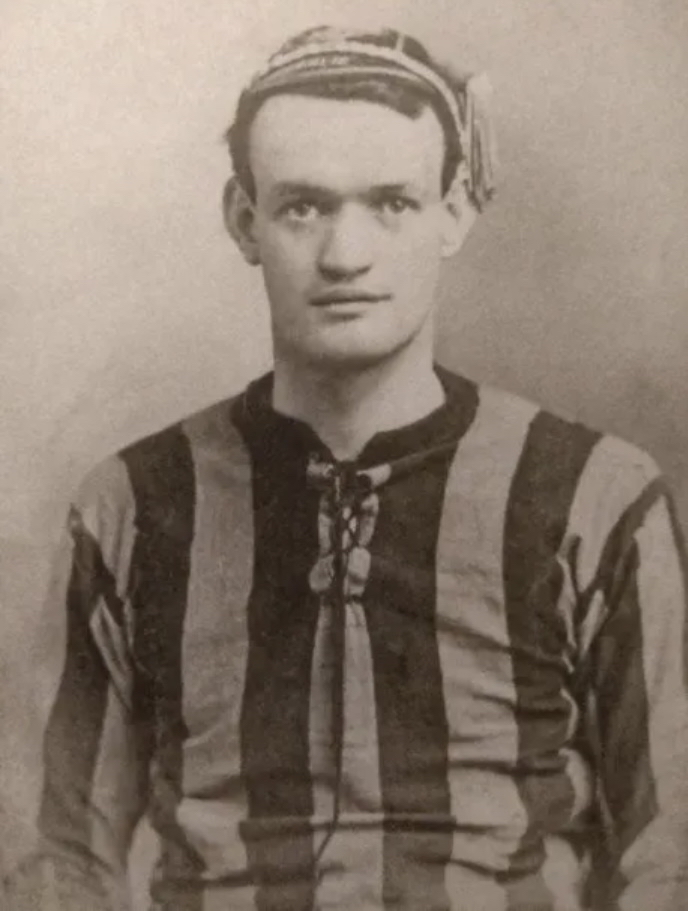
When Rubén Sellés was appointed by Hull City last December he made history by becoming the club’s first Spanish head coach. However, The Tigers’ first connection with Spain goes back over a century.
In March 1912 an Irishman called Patrick O’Connell joined City from Sheffield Wednesday for a transfer fee of £350 and went on to play 58 times for the club over the next two seasons, some of them as team captain. As it turned out, it was the most games he played for the same club in his career.
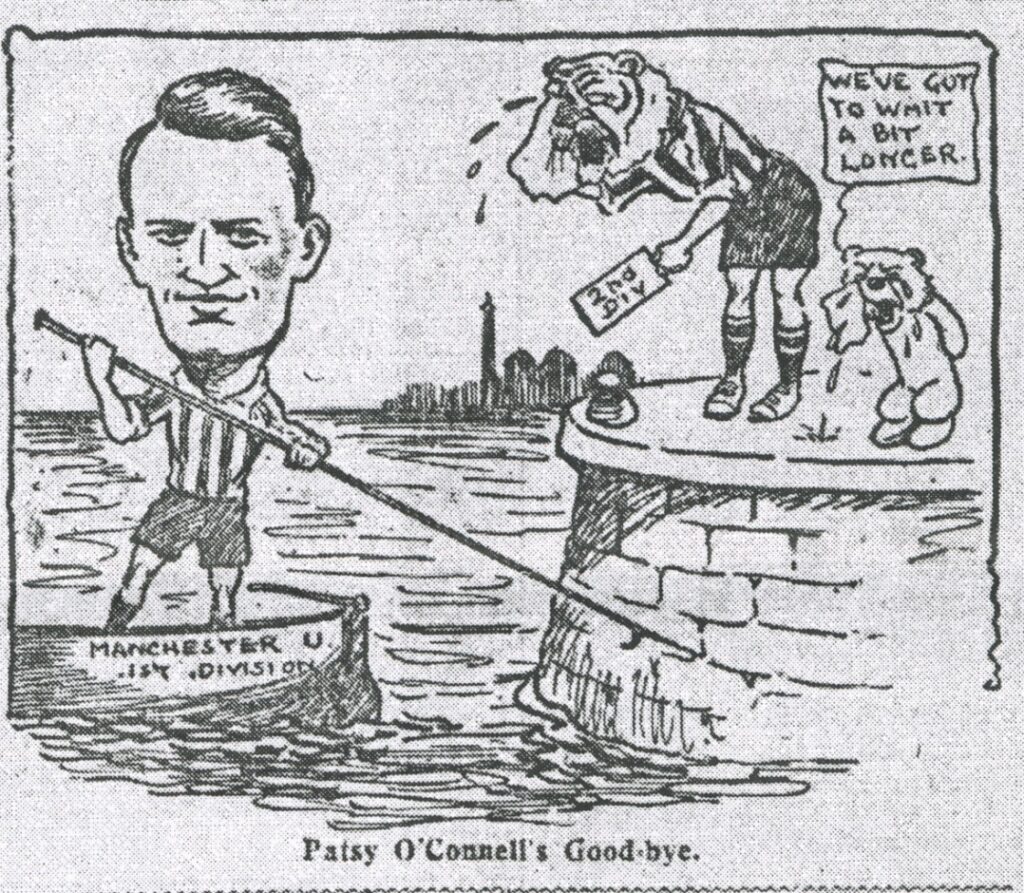
When he left City to join Manchester United his departure appears to have been less than amicable. O’Connell had enjoyed his time in Hull and wanted to stay, requesting a new three-year contract. He also suggested an unusual clause allowing him to live 20 miles away in Hornsea owing to his wife Ellen’s “delicate health”. Ultimately, hopes of a new deal and a seaside home were dashed by City’s board of directors who had more urgent matters on their hands.The club was in serious financial trouble made worse by a large fire on Easter Monday in 1914 which damaged large parts of the Anlaby Road ground. The club took out a £1,000 loan to carry out the repairs. Two weeks later O-Connell was sold to Manchester United for the same amount.
O’Connell ended his playing days in 1922 at non-league Ashington in Northumberland. After briefly taking over as the club’s manager, he successfully applied for the manager’s job at Spanish club Santander. Professionally, his life in Spain blossomed. Further managerial appointments followed at Seville and Betis where he guided the club to their one and only La Liga championship in 1935. His success would see him next move to Barcelona as head coach just as Spain was lurching towards civil war.
During the conflict Spain’s national league was suspended and the Catalan club, which opposed General Franco’s regime, had its stadium bombed and saw its president shot dead by troops. Nonetheless, O’Connell was credited with helping save the club from oblivion by leading the team on a lucrative tour of Mexico and America to stave off financial collapse. When the war was over, he resumed head coaching roles once more at Santander, Seville and Betis before taking up scouting.
Privately, his life was a mess having abandoned his wife and four children in Manchester when he first moved to Spain without telling them where he was. He later married an Irish nanny only for her to eventually seek a divorce when she belatedly discovered he was still married. Neither of his two families knew the other existed.
Eventually, he returned to England and ended his days as a penniless alcoholic, begging on the streets of Kings Cross in London where he lived in a ramshackle boarding house. Such was the family turmoil he helped create, only his brother attended his funeral following his death in 1959. He was buried in an unmarked grave.
Despite his fall from grace, O’Connell’s remarkable footballing journey across Europe has recently been re-discovered and celebrated in his native Ireland via a book by a relative, an Irish TV documentary and the re-dedication of a wall mural in Belfast commemorating his links with Barcelona originally painted in 2015. Meanwhile, a bronze bust of the man known as ‘Don Patricio’ also now takes pride of place in Betis’ club museum.

Musician Lou recalls her first visit to Hull Ice Arena and how it started a lifelong love of all things sub-zero.

Rumour says there’s an old pelt under Oriel Chambers, so Amy Thompson returns to Hull History Centre to get the facts from City Archivist Martin Taylor.

Is it all hanging round looking vague all day, or is any actual work involved? With the help of current Humber Street Gallery exhibitionist Solmaz Farhang, let’s find out.

With voters due to go to the polls on May 1, we decided it was high time to answer ten key questions about the new elected Mayor for Hull and East Yorkshire. Our novel plebiscite correspondent Angus Young is at the helm.
Q: Why are we getting a Mayor?
A: The area’s two local councils – Hull City Council and East Riding of Yorkshire Council – agreed a devolution deal with the previous government which involved the creation of a combined authority led by a directly-elected mayor. After last year’s General Election, the new Labour government confirmed the deal would go-ahead.
Q: Haven’t we already got a Mayor?
A: Yes, Hull has a Lord Mayor who also holds the title of Admiral of the Humber. The Lord Mayor performs a largely ceremonial role and is elected by councillors whereas the new elected Mayor will be political and elected by the public.
Q: What will be the responsibilities of the new Mayor and the combined authority?
A: Expect to hear the word ‘strategic’ a lot in the coming weeks. The Mayor will have new powers covering transport, housing, skills, adult education and economic development.
Q: What happens to the two existing councils?
A: Not a lot. They will both continue to deliver day-to-day services, from bin collections to fixing potholes. The number of councillors at each authority will remain unchanged.
Q: What sort of devolved funding are we talking about?
A: There’s an annual £13.3m allocation from the government which is meant to continue for the next 30 years. Another £2m is being provided over three years to cover set-up costs. There’s also £20m being made available to support specific capital programmes, including transport, flooding and coastal erosion projects.
Q: Who will sit on the combined authority?
A: As well as the Mayor, two councillors from each council will be nominated to serve on the authority. One of those nominated will be appointed as Deputy Mayor. Initially, there will also be four non-voting members, including three representatives from the Hull and East Yorkshire Business and Skills Boards and the Humberside Police and Crime Commissioner Jonathan Evison.
Q: Will the Mayor act alone?
A: He or she will be expected to lead the authority and work jointly with a new Mayor being elected at the same time in Greater Lincolnshire. There is also likely to be partnership working with local council and business leaders. The governance arrangements also allow the Mayor to appoint a political advisor.
Q: How long is the new Mayor’s term of office?
A: He or she will be in charge for four years before the next mayoral election.
Q: Does a combined authority mean extra council tax charges?
A: The Mayor will have the necessary powers to introduce a council tax precept in much the same way as the Police and Crime Commissioner does now. However, it’s not a vote-winning policy so don’t expect it to happen anytime soon.
Q: Who’s in the running?
A: The candidates currently confirmed include Mike Ross (Liberal Democrat), Anne Handley (Conservative), Margaret Pinder (Labour), Kerry Harrison (Green), Rowan Halstead (Yorkshire Party) and Luke Campbell (Reform UK).

Burnsy gets on his dancing shoes and meets his match with a room full of under 5s at Avenues Library.

In the second of her tutorials, top manga artists Abbie Rial shows you the basic equipment you’ll need to draw manga.

Fizzy drinks, AI, airplanes, the big bang and everything in between is discussed when Professor Mark Lorch met Burnsy to discuss the upcoming Colliderfest and answer your questions.